News
All 210 Zimbabwe MPs Served With Constitutional Challenges Over CAB3
If successful, the challenges could place major legal obstacles in the path of CAB3 and raise the political cost for MPs who vote in favour of the Bill without first securing public approval through a referendum.

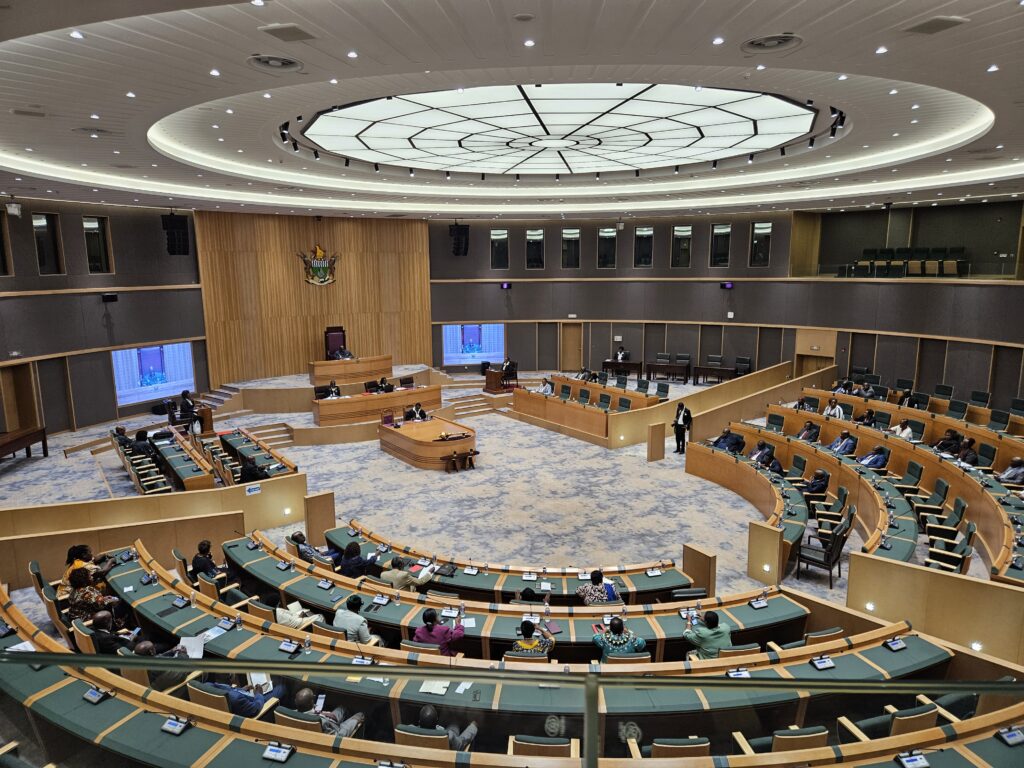
Every one of Zimbabwe’s 210 Members of Parliament has now been served with a constitutional challenge by a registered voter from their own constituency, in an unprecedented nationwide legal push over Constitution Amendment Bill No. 3 of 2026, commonly known as CAB3.
The applications place each MP on individual legal notice that supporting CAB3, without the referendum required for entrenched constitutional provisions, could expose them to legal action in their own name.
Sample filings show that voters are asking the Constitutional Court to declare that key provisions of CAB3 cannot lawfully benefit sitting MPs or take effect without compliance with Section 328 of the Constitution.
The filings argue that Parliament may only amend the Constitution in accordance with the procedures set out in Section 328, and that MPs cannot simply vote to bypass those safeguards.
At the centre of the challenge is CAB3’s proposal to extend the term of Parliament from five years to seven years.
The applications argue that Sections 143 and 158 of the Constitution, read together with Section 124, are term-limit provisions because they define the duration of Parliament and the timing of elections.
The applicants contend that Section 328(7) prevents any amendment to a term-limit provision from benefiting an incumbent office-holder if it has the effect of extending the time that person may remain in public office.
In practical terms, the argument is that sitting MPs cannot lawfully vote themselves two extra years in office and then benefit from that extension.
The filings also challenge CAB3’s proposal to change how the President is elected.
Under the Bill, the President would no longer be elected directly through the national electoral process, but instead by Members of Parliament sitting jointly as the Senate and National Assembly.
The applications argue that this would impair voters’ political rights under Section 67 of the Constitution, including the right to vote, the right to free and fair elections, and the right to make political choices freely.
The applicants say that transferring the choice of President from citizens to MPs would remove a direct democratic right currently exercised by the electorate.
Because Section 67 falls under Chapter 4 of the Constitution, which contains fundamental rights, the filings argue that any amendment which limits or diminishes those rights cannot lawfully take effect unless it complies with Section 328(6).
That provision requires additional constitutional safeguards, including approval through a referendum, where protected rights are affected. The legal action is significant because it does not simply challenge CAB3 in general terms. It targets each MP individually, through voters in their own constituencies, and argues that each representative has a direct legal interest because they would personally benefit from an extension of parliamentary tenure. By serving MPs directly, the applicants are seeking to ensure that lawmakers are formally placed on notice of the constitutional objections before any vote on the Bill. The filings make clear that MPs may face legal consequences in their own names if they support provisions that are later found to be unconstitutionalSample applications have been published as evidence of the filings, showing the structure of the claims, the constitutional arguments being advanced, and the relief being sought from the Constitutional Court. All of the applications can be found in one place on rejectcab3.org, the website of a campaign group opposing CAB3. The filings ask the court to declare, among other things, that Parliament may amend the Constitution only in accordance with Section 328; that the proposed extension of MPs’ tenure cannot benefit incumbent MPs; and that the proposed removal of direct presidential elections cannot take effect unless voters are first consulted through the constitutionally required process. If successful, the challenges could place major legal obstacles in the path of CAB3 and raise the political cost for MPs who vote in favour of the Bill without first securing public approval through a referendum.