FULL TEXT | Agency Gumbo’s submission against CAB3
Taken individually, these clauses may appear technical but taken together they reveal a pattern. What pattern is that? It is the pattern of centralisation, concentration and reducing the frequency with which political power must account to the people. Democracy is not merely about elections. It is about accountability and accountability requires regular opportunities for citizens to review those that they put in power; that is why term limits, election cycles and constitutional safeguards matter
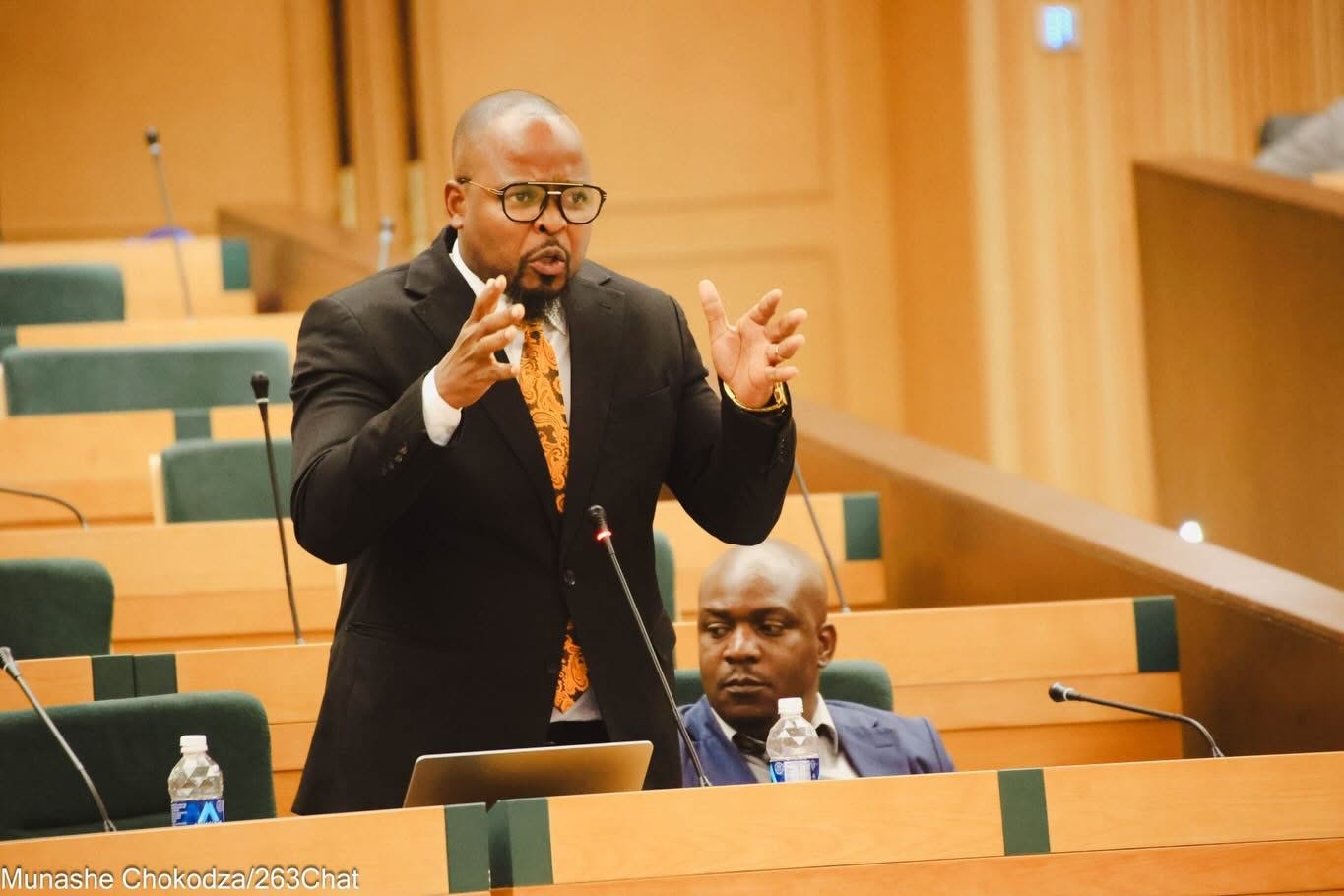
I rise this afternoon to oppose Constitutional Amendment Bill (No. 3) (CAB3). I do so not out of partisan obligation, not out of political convenience or political expedience and certainly not out of hostility to constitutional reform. I do so because this Bill strikes at the very core of our constitutional democracy.
At the outset, let me debunk a notion that we have heard being advanced by the proponents of this Bill. A notion that the opposers of the Bill suggest that constitutional reform is a nullity or it must not happen in modern democracies. This is not the point we wish to make before this House today.
Constitutional reform by its very nature must be progressive. Constitutions can and must indeed be amended in order to suit the aspiration of the modern community and modern society.
So, the question is not whether or not constitutions must be amended. The question is, what sort of amendments must be entertained in modern democracy.
The Constitution of Zimbabwe, as it currently stands, is not an ordinary statute. It is not a party manifesto or a Government programme. It is the supreme covenant between the people and those entrusted with the exercise of political power.
The Constitution exists for one fundamental purpose: to limit power, distribute power and to make power accountable to the people.
The Constitution of 2013 was not handed to Zimbabweans by politicians. It emerged from struggle and sacrifice. It emerged from decades of demand for accountable Government, democratic participation, constitutional restraint and the protection of fundamental rights.
The story of constitutional reform in Zimbabwe is written in the resistance against one-party state ambitions. It is written in the struggle for labour rights, democratic renewal and in the constitutional reform movement that culminated in the 2013 Constitution.
The framers of the Constitution understood a simple but profound truth. Democracy is strongest when power is limited, accountable and periodically renewed. CAB 3 proposes fundamental changes to the architecture of our democracy. It extends the term of office of the President from 5 years to 7 years. It also extends the life of Parliament from 5 years to 7 years. It postpones elections accordingly. It removes the direct election of the President by the people and bestows that power on Parliament.
The Bill restructures electoral administration and expands executive influence within institutions of Government and it weakens or abolishes constitutional oversight institutions.
Taken individually, these clauses may appear technical but taken together they reveal a pattern. What pattern is that? It is the pattern of centralisation, concentration and reducing the frequency with which political power must account to the people. Democracy is not merely about elections. It is about accountability and accountability requires regular opportunities for citizens to review those that they put in power; that is why term limits, election cycles and constitutional safeguards matter
The memorandum accompanying this Bill advances a number of justifications. We are told that the amendments are there and are necessary to promote stability, continuity, institutional efficiency, political inclusivity and long-term development. This is what we are told. Attractive as these words and promises might sound, constitutional democracies must always interrogate not merely the language of reform but the consequences of reform. History teaches us that constitutional changes aimed at extending tenure are rarely presented as projects for consolidation.
They are almost always presented as projects of stability, continuity and development, as we are told in the memorandum to this Bill.
Mr Speaker Sir, the question that is before this House is therefore not whether development is desirable. The question that is before this House is whether development requires the weakening of institutions of democracy. The evidence from constitutional scholarship and I speak as a constitutional law expert.
Across Africa, countries that have respected constitutional term limits have generally built stronger democratic institutions than countries that have weakened or removed them. Research on
Presidential term limits in Africa demonstrates that constitutional succession contributes significantly to democratic consolidation and institutional development. The African Centre for Strategic Studies has observed that countries that weaken or circumvent constitutional term limits tend to experience higher levels of corruption, weaker accountability systems and increased governance challenges.
Constitutional development across Africa teaches one fundamental lesson: strong nations are built by strong institutions, not by extended incumbents. The framers of modern constitutions understood one thing, that executive…