BY BRENNA MATENDERE
Over 80 000 people are living with HIV in Bulawayo and have since been drafted into the Anti Retroviral Treatment in order to tame spread of the pandemic.
The development comes as NAC Bulawayo leadership say they are now in the “last mile” of campaign to end AIDS by 2030.
Primrose Dube, the Bulawayo Province’s Monitoring and Evaluation Officer for the National Aids Council said the second largest city has been hit by intergenational sexual encounters that are spiking HIV cases.
“Older men are engaging in sexual activities with younger girls mostly from our educational institutions and this has contributed to a rise in the HIV cases but as NAC we are moving in with various interventions to reduce new HIV infections,” she said.
Dube also revealed that a total of 946 deaths were recorded in 2024.
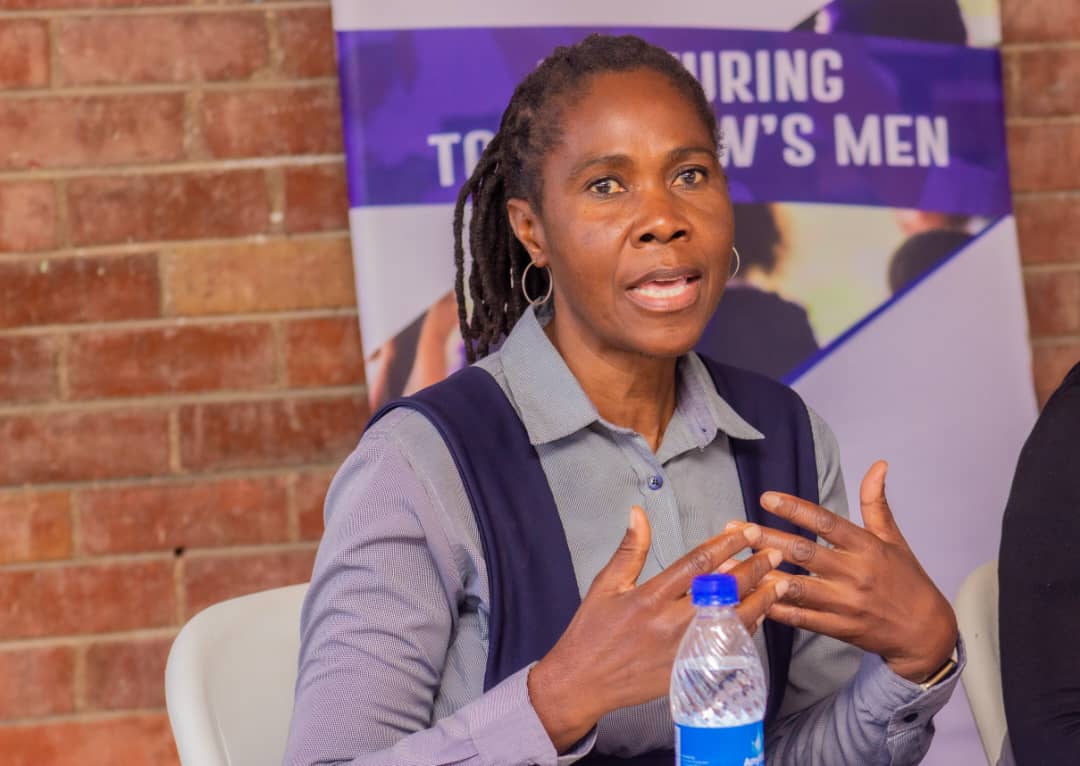
Speaking during a media engagement in Bulawayo, NAC provincial manager Sinatra Nyathi said the council was strengthening prevention programmes and leveraging local resources, including the AIDS Levy, to sustain the country’s HIV response.
She acknowledged the withdrawal of funding by some development partners, particularly the United States, but said NAC would continue implementing critical programmes using domestic resources and support from remaining partners.
According to Nyathi, the focus has shifted to high-impact, low-cost interventions, particularly prevention initiatives aimed at eliminating mother-to-child transmission, reducing new HIV infections and promoting consistent condom use and positive behavioural change.
“Four decades into the epidemic, people have the information. What we now need is behaviour change,” she said.
Nyathi said Zimbabwe’s greatest asset in the fight against HIV was its people, urging communities to share accurate information to help curb further transmission.
She highlighted progress in treatment programmes, noting that Zimbabwe had surpassed the global 95-95-95 HIV targets for adults.
The targets require that 95% of people living with HIV know their status, 95% of those diagnosed receive antiretroviral therapy and 95% of those on treatment achieve viral suppression.
However, Nyathi said children remained a key challenge, with efforts underway to identify HIV-positive children, place them on treatment and ensure they achieve viral suppression.
She said treatment had become a critical prevention tool, as people living with HIV who consistently adhere to antiretroviral therapy and achieve viral suppression are unlikely to transmit the virus.