News
19k living with HIV in Bindura
A record 19 000 people are living with HIV in Bindura and the National Aids Council is currently conducting multi responses to the pandemic .

By Brenna Matendere
A record 19 000 people are living with HIV in Bindura and the National Aids Council is currently conducting multi responses to the pandemic .
Bindura is the provincial capital of Mashonaland Central Province in Zimbabwe.
It’s about 88 km northeast of Harare.
It has a population od 46,000 as of the 2022 census and is known as a mining town.
There are several economic activities that attract drivers of new HIV infections such as sex workers in the area.
Some of the activities that are in Bindura include nickel, copper, and gold mining.
Trojan Nickel Mine operated by Bindura Nickel Corporation (BNC) is one of the big companies there.
Surrounded by maize, cotton, and tobacco farms and home to Bindura University of Science Education (BUSE), one of Zimbabwe’s state universities, strong in science, tech, and teacher training, the district now has 8.4 percent of HIV prevalence.
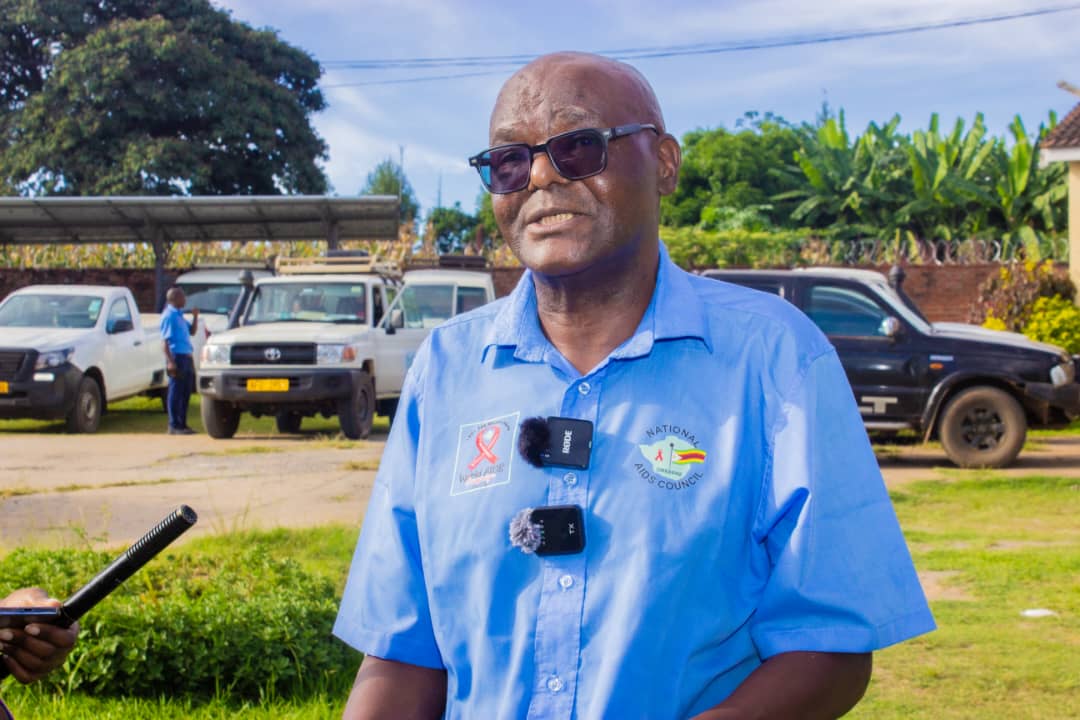
Agrippa Karuru, the Bindura District Aids Coordinator said that figure is the highest in Mashonaland West province.
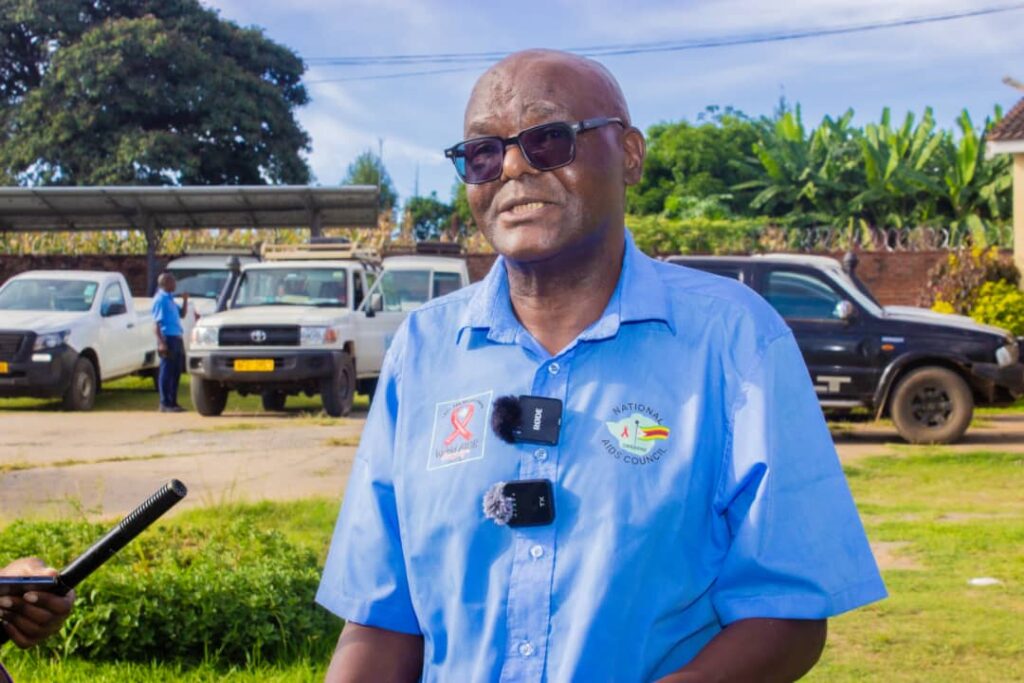
“Mazowe district used to be the highest on the scale of HIV prevalence among districts here in the province,” he said.
“However at 8.4 percent, Bindura is now the highest.
A total of 19 000 people are living with HIV in Bindura.”
Here are the main HIV programmes currently running in/around Bindura, Mashonaland Central:
1. National/Provincial programmes that cover Bindura
Most HIV services in Bindura are delivered through the Ministry of Health and Child Care through the National AIDS Council (NAC), with support from international partners.
Zimbabwe reached the 95-95-95 targets nationally, and these services are decentralized to district/provincial level.-
Public health facilities: Bindura Provincial Hospital and district clinics offer ART, HIV testing and counseling, PMTCT, and viral load monitoring.
PEPFAR still supports ART and HIV commodity procurement as of 2026.-
Integrated HIV/SRH services:
WHO-backed “one-stop-shop” model links family planning clinics with HIV testing, STI treatment, and ART linkage. This is being rolled out to more sites, including public sector family planning clinics.
UNICEF is also working on a National Sustainability Roadmap for HIV.
Key populations and targeted services Centre for Sexual Health and HIV/AIDS Research runs programs for sex workers and other key populations.
They have a cross-border linkage program to keep mobile sex workers in care when they travel between Zimbabwe, Zambia, Botswana, etc.
CeSHHAR works in multiple provinces — Mashonaland Central is one of their key operating areas.
Adolescent girls and young women
National focus on reducing sexual transmission among young people.
This includes comprehensive sexuality education, GBV prevention, and access to condoms/testing.
Zimbabwe hosts major conferences on this.
NAC is also working to reduce sexual transmission of HIV, especially among young people as well as ending GBV and harmful practices.
NAC also supports community outreach and mobile clinics that often visit district towns like Bindura.
Where to access services in Bindura:
*Bindura Provincial Hospital
* – Main ART site, testing, PMTCT
*Municipal clinics
* – Decentralized ART refills, testing, condomsBUSE Campus Clinic – Bindura University offers youth-friendly SRH/HIV services for students*
Outreach/mobile
* – CeSHHAR, ZNFPC, and NAC partners run mobile testing and key population services.