News
Anti-CAA3 lawyers turn court battle into political grandstanding
A legal expert, who requested anonymity, said the applicants appeared more interested in winning public sympathy and whipping up emotions than presenting arguments grounded in constitutional provisions.

STAFF REPORTER
Anti-Constitutional Amendment No.3 (CAA3) lawyers have been accused of turning their legal challenge against the controversial law into political grandstanding, with their arguments increasingly centred on stirring public emotions rather than establishing constitutional violations before the courts.
Prominent constitutional lawyer Lovemore Madhuku and other opponents of CAA3 have been criticised for bringing political arguments into the courtroom instead of concentrating on the legal questions that could determine the outcome of their challenge.
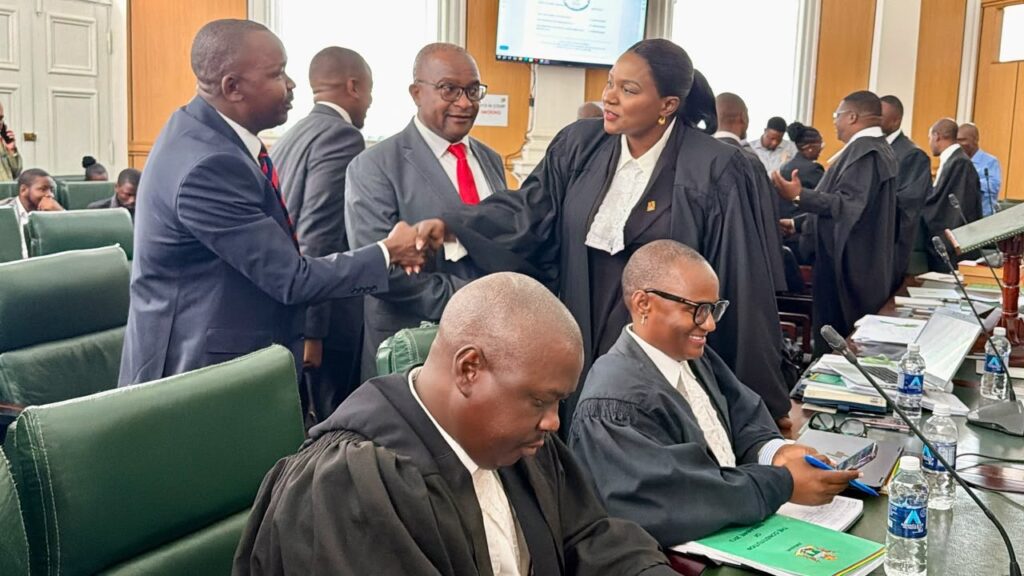
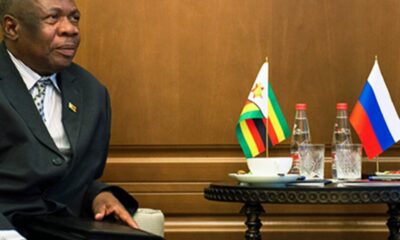
Former Binga North MP, Prince Dubeko Sibanda and AG Virginia Mabhiza after the hearing of their case befor the ConCourt 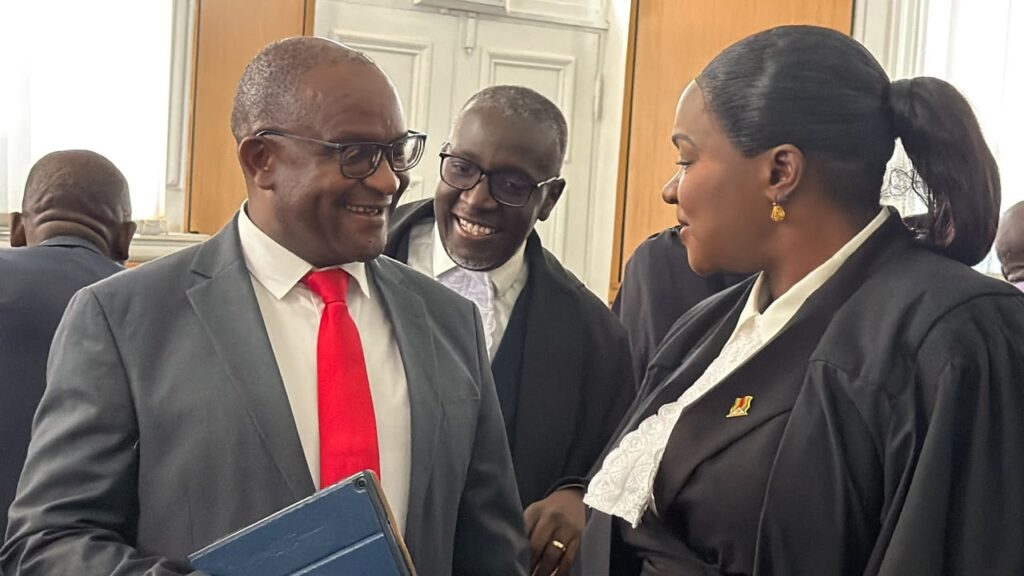
MDC Presiddent Douhlas Mwonzora and The Ag Virginia Mabhiza at ConCourt on Tuesday 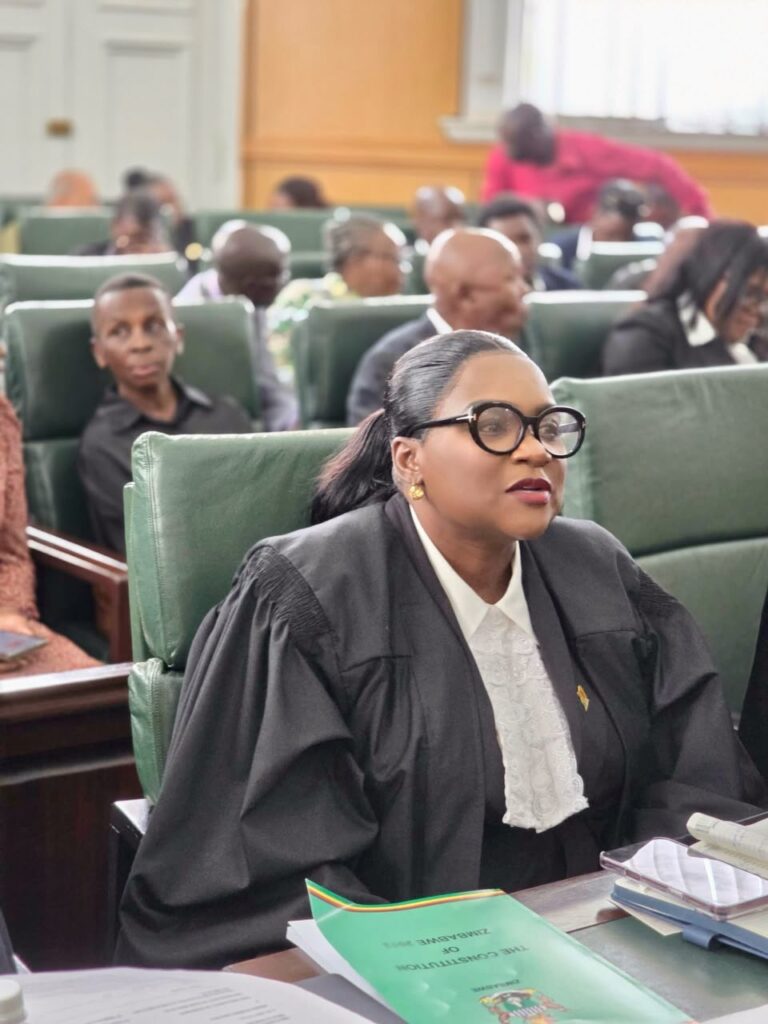
A legal expert, who requested anonymity, said the applicants appeared more interested in winning public sympathy and whipping up emotions than presenting arguments grounded in constitutional provisions.
The expert warned that the approach could undermine their case, arguing that courts were not platforms for political mobilisation but institutions that determined disputes on the basis of the law.
“Once lawyers abandon the legal issues and start advancing political arguments, they risk losing sight of what the court is being asked to determine. You cannot win a constitutional case simply by appealing to people’s emotions or trying to create public sympathy. The court is interested in whether there has been a violation of the Constitution and whether the applicants can establish that violation.”
The respondents’ lawyer, Advocate Sylvester Hashiti, who represents President Emmerson Mnangagwa and the Attorney-General, appeared to take aim at the applicants’ approach, insisting that the court must be guided by constitutional and statutory provisions rather than personal opinions, moral arguments or what litigants believe the law ought to say.
Hashiti dismissed allegations against Mnangagwa, arguing that the President had not breached any constitutional obligation by signing CAA3 into law.
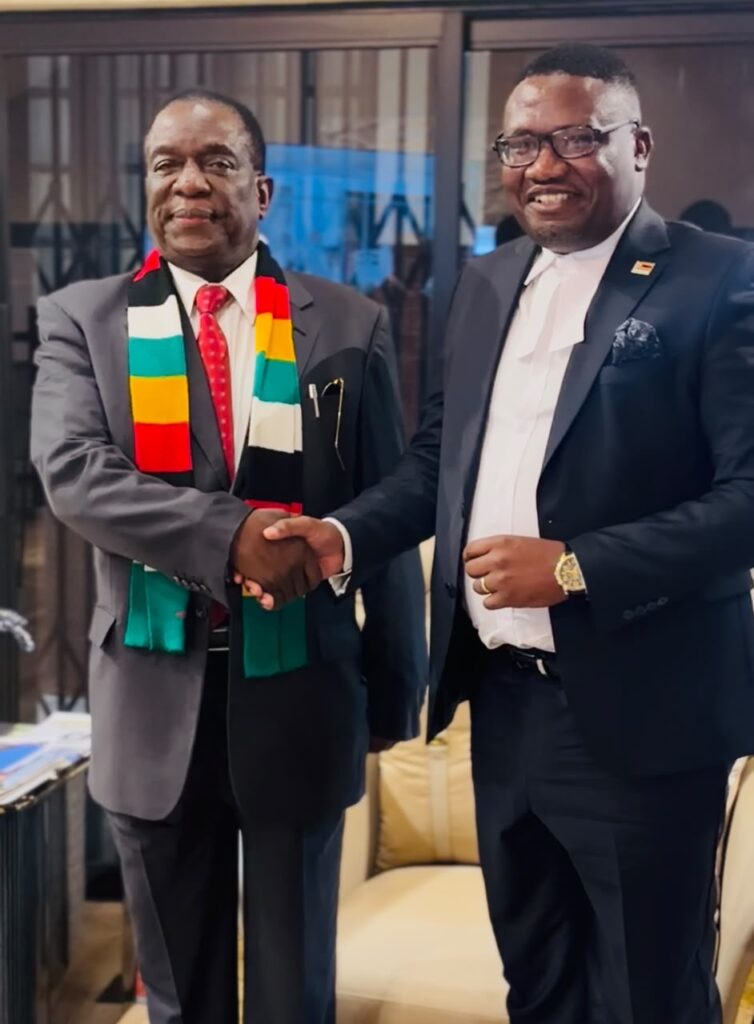
He maintained that the substantive complaint was against Parliament and that the President had only been cited because of his potential interest in the outcome of the proceedings.
“Well, the complaint was against Parliament and there’s nothing that has been said against the President.
“In actual fact, this citation was simply because he might have an interest in these cases, not that he has failed in any particular obligation,” he said.
“So we still maintain that the President has not done anything wrong in regard to everything that concerns Constitutional Amendment Act Number 3.Had there been anything wrong, then the applicants ought to have explicitly stated that which they allege he did.
“The respondents argued that the Constitution required the President to sign an Act of Parliament once it had been presented to him, adding that there was no legal provision prohibiting him from doing so.
Hashiti said the applicants were relying on moral considerations and their own interpretation of what the law should provide instead of the constitutional and statutory provisions governing the matter.
“You see, we are a court of law and we are lawyers. There is a difference between coming to court because of some moral and some opinion that you might have.
“We are guided solely by what the Constitution says, what the law says, and what the relevant Acts say.So the applicants made the mistake of thinking the law should say particular things when it does not. That is where the problem is,” he said.
He also accused the applicants of misrepresenting the nature of their own case by introducing issues that had not formally been placed before the court
The government has declared the Constitution of Zimbabwe Amendment (No. 3) Act, 2026 (CAA3) irreversible, arguing that it has completed all constitutionally prescribed stages of enactment, as it pushes back against legal challenges to the new presidential electoral system.
The repeated court challenges to CAA3 have raised concerns over the same litigants flooding the courts with similar cases.
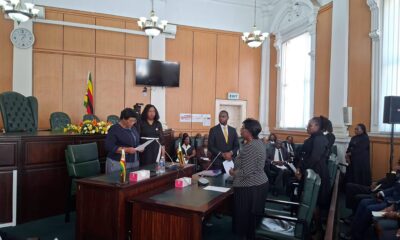
With CAA3 now at the implementation stage, judges and senators appointed under the new constitutional framework have already been sworn in, as the government maintains that the amendment has passed all constitutionally prescribed stages and its implementation is under way.