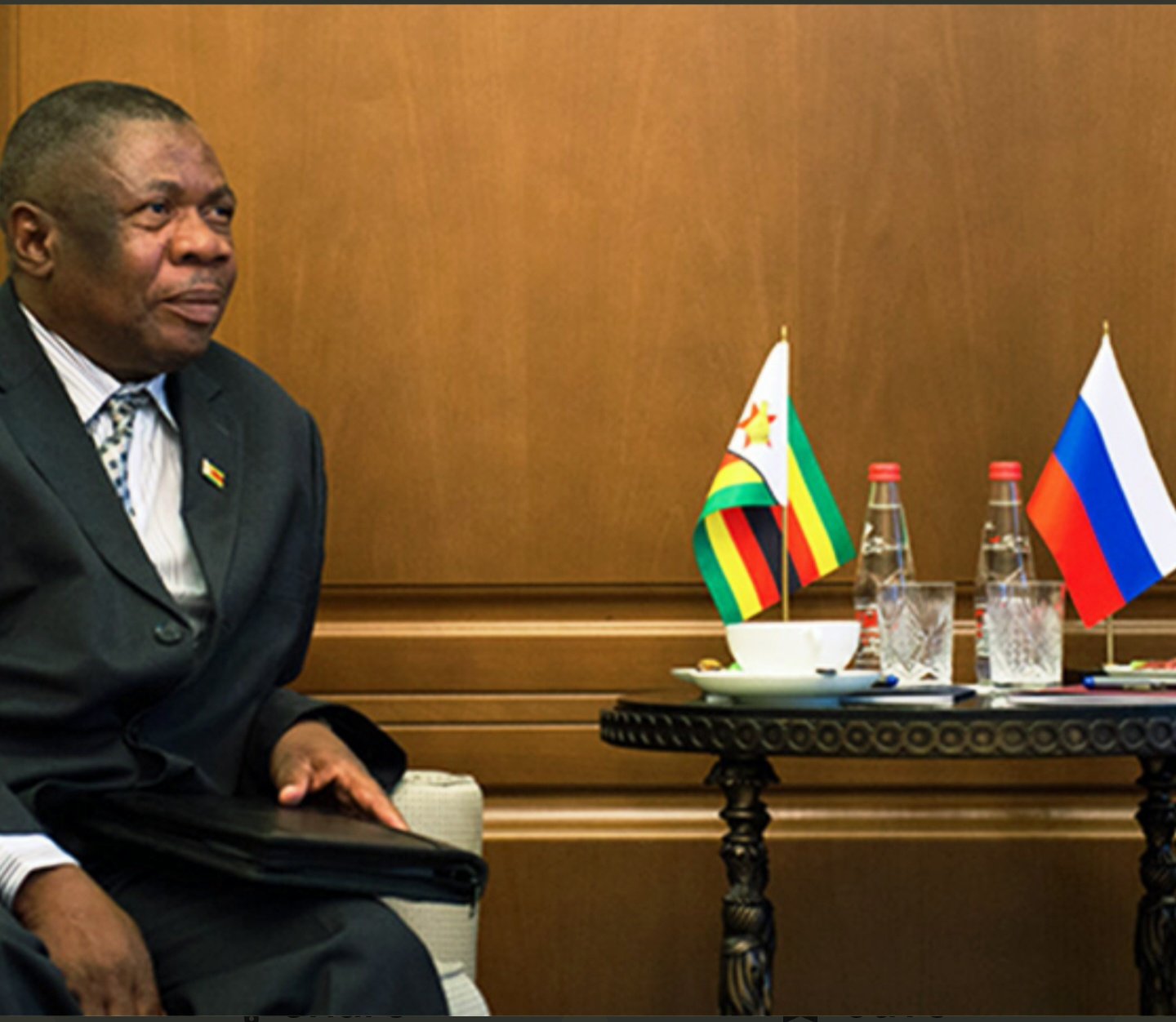
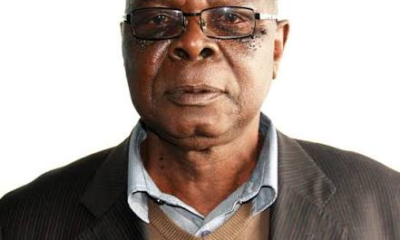
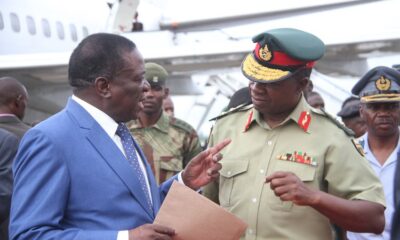
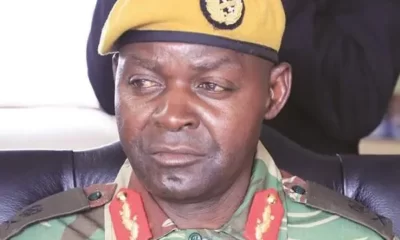
In a high-stakes political strategy to contain and neutralise his rivals, President Emmerson Mnangagwa is redeploying retired Major-General Mike Nicholas Sango — former military intelligence director and one of the nine retired army commanders who opposed Constitutional Amendment Act No. 3 (CAB3) that extended his term by two more years — back to the diplomatic service to manage the ruling Zanu PF succession battle.
Following a fierce confrontation in May over plans to extend presidential terms, presidential and parliamentary terms and alter the presidential election system, Mnangagwa has now turned to ambassadorial appointments as a tool to manage internal opposition and exile key allies of his bitter rival Vice-President Constantino Chiwenga to political Siberia; away from Harare’s theatre of politics.
Besides Sango, retired Lieutenant-General Engelbert Rugeje, also a key Chiwenga ally, is being deployed as an ambassador, to Dar es Salaam, Tanzania, to replace Helen Dingani.
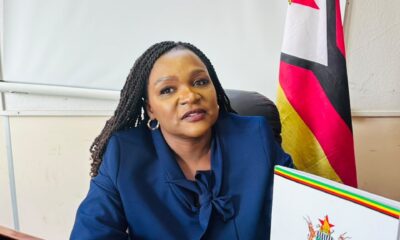
Dingani was appointed in April 2024, succeeding retired Lieutenant-General Anselem Sanyatwe, who returned to become the Zimbabwe National Army commander before he was removed amid heightened coup fears in March last year, and made Sports minister.
It was initially thought Rugeje would go to Maputo, Mozambique, to replace the late Victor Matemadanda who died in June.
However, The NewsHawks has been reliably informed Rugeje is going to Tanzania.
Matemadanda had taken over in Maputo from retired Lieutenant-General Douglas Nyikayaramba died in 2021.
Given Nyikayaramba and Matemadanda’s deaths on duty, Maputo is now regarded as an ambassadorial graveyard.
Rugeje initially tried to resist deployment, but relented after pressure, although he has secured a move to Tanzania, not Mozambique.
Sango and Rugeje deployments are part of a postings broader wave of around 26 appointments widely viewed by analysts as a way of undermining Chiwenga’s military support base by moving key commanders out of Harare’s domestic political centre.
After cabinet had gazetted Constitutional Amendment Bill No.3 in February, a quiet rebellion brewed among some of the architects of Zimbabwe’s 2017 military coup that brought Mnangagwa to power.
Nine retired senior security and intelligence figures — publicly fronted by retired Air Vice-Marshal Henry Muchena and quietly backed by Sango and others — mobilised against CAB3
The security and intelligence figures included Retired Lieutenant-General Martin Chedondo, retired Lieutenant-General Chris Mupande, retired Major-General Paul Chima, retired Major-General Etherton Shungu, retired Brigadier-General Livingstone Chineka, retired Brigadier-General Richman Ncube, Fred Mutanda, Sango and Muchena.
The bill, now act, sought to extend Mnangagwa’s rule by two years from 2028 to 2030, elongate presidential and parliamentary terms and shift presidential elections from a direct popular vote to a parliamentary franchise.
After petitioning parliament in March 2026, the commanders secured two consecutive face-to-face meetings with Mnangagwa on May 18 and May 19.
The retired generals laid out their grievances directly to the President on May 18.
They argued that dismantling direct presidential elections betrayed the core ethos of the liberation struggle, which was fought to grant the majority a direct voice in choosing their leaders.
They warned that pushing the amendment without a national referendum would alienate ordinary citizens and further fracture Zanu PF from within.
When the delegation reconvened the following day, May 19, the tone shifted dramatically.
Mnangagwa appeared flanked by Justice Minister Ziyambi Ziyambi and Attorney-General Virginia Mabhiza, to defend the bill.
He pushed back, brushed aside the generals’ warnings of political instability with a terse dismissal: “Whoever wins, wins.”
But before leaving the ex-army commanders also raised the issue of self-interest and welfare, telling Mnangagwa they wanted jobs and time to eat.