By Staff Reporter
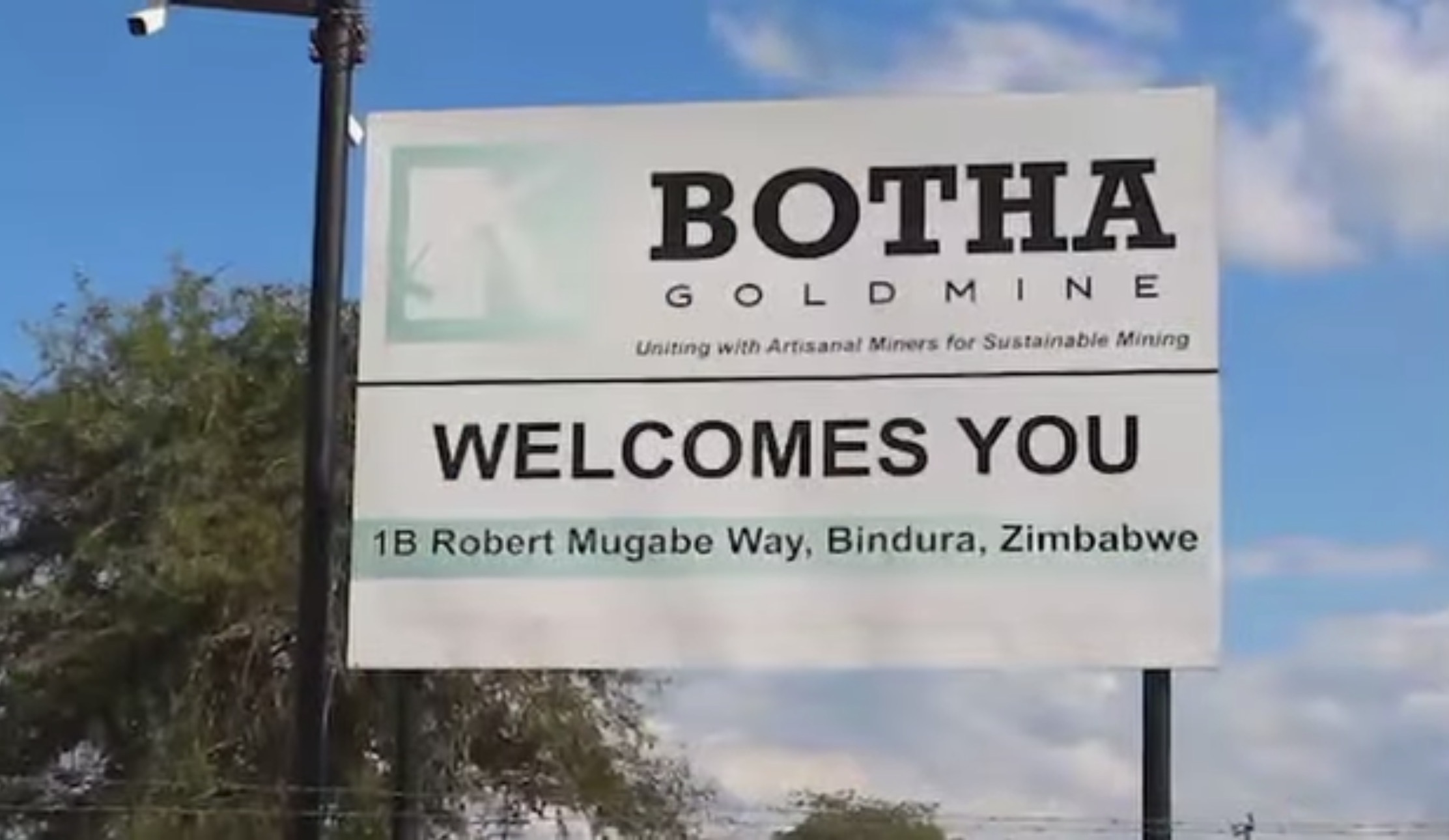
The explosive court application by Botha Mine shareholder Tendai Chinyani has opened a Pandora’s box, unearthing an emerging Public-Private Partnership deed that reveals how a highly anticipated community empowerment deal was severely derailed, leaving Bindura’s youth in the cold while shadowy entities scramble for control of the gold-rich claims.
Fresh scrutiny of the 2016 partnership deed—signed between the Zimbabwe Empowered Youths United in Major Economic Sectors Acceleration (ZEYUMESA), Side Electrical (Private) Limited, and the ZANU PF Youth League—shows that the lucrative investment deal was never followed through. Instead, it was seemingly replaced by a chaotic, legally questionable scramble for shares that has now put the Zimbabwe Revenue Authority (ZIMRA) on notice over potential Capital Gains Tax (CGT) evasion.
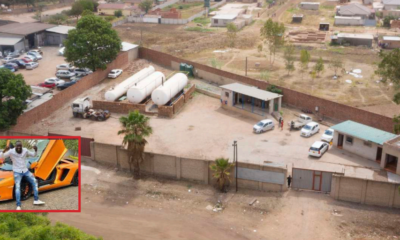
The unfolding fiasco stems from Chinyani’s High Court application, which initially sought to expose an alleged US$3 million revenue siphon through a secretive 25-year gold-processing contract with Ouro Tanque (Private) Limited, a firm linked to embattled director Temba Kingsley Hlongwani. But as the court papers circulated, they dragged into the spotlight the murky origins of the current shareholding structure at Botha 1, 2, 3, and 4.
The 60% Promise That Vanished
The 22 March 2016 Partnership Deed, now under intense scrutiny, was unequivocal. It stated that ZEYUMESA and Side Electrical would jointly control the Botha claims, with no major decisions made without the consent of both parties. It was a blueprint for true empowerment.
Clause 4.1 of the agreement was crystal clear: “The partner SIDE ELECTRICAL (PVT) LTD shall be entitled to 40% from the mining profits while ZEYUMESA shall be entitled to 60% of such proceeds.”
Furthermore, the document formally incorporated the ZANU PF Youth League as advisory stakeholders, granting them three seats on the Management Board to ensure the project’s proceeds genuinely benefited the ruling party’s youth wing and the broader Bindura community.
Yet, just two years later, this ironclad deal was allegedly thrown out the window. A court order by consent in 2018 stripped ZEYUMESA of its shareholder status and slashed its profit share from 60% to a mere 10%.
The Shadowy Shareholders and ZIMRA’s Missing Millions
The court application has laid bare the current shareholding register, raising serious questions about who the actual owners of Botha Mine are, and how they acquired their stakes.
Company records reveal a tightly held shareholding structure dominated by a mix of individuals, trusts and corporate entities.
The largest stake is held by Sendoyi Trust (36 percent), followed by Jiwe Gold (20 percent) and Lanewiz Trading and Projects (16 percent).
Other shareholders include Premoline (10 percent), Wellington Chigumira (6 percent), and smaller stakes held by Prowatch, Knowrush, Nomsa Hove (3 percent each), as well as Simba Nyenza, Tendayi Chinyani, Admire Chigumira, Sande Chinomona and Terrence Dick (each holding 1 percent).
The court papers allege that these shares were acquired through a mere “desktop sharing process,” and that no actual money exchanged hands for the transfers.
This revelation has huge implications for the state treasury. Under Zimbabwean law, any transfer or sale of shares in a company requires the payment of Capital Gains Tax (CGT) based on the fair market value of those shares. If a 20% stake in a gold-mining entity was transferred to Jiwe (Pvt) Ltd, or Laweniz 16% and 15% to Primo Line, ZIMRA would be entitled to a significant CGT payout.
To date, no proof of CGT payment for the acquisition or transfer of these shares has been made clear in any of the court applications. Legal observers are now questioning whether the state was defrauded through these dubious, zero-value share transfers designed to strip the community of its wealth.
A Directive Ignored
The 2016 deed also explicitly barred the fragmentation of the project. Clause 11.2 stated: “In future all agreements, deeds or business documents that require the signature of SIDE ELECTRICAL, shall be ratified by the Board Chairman and Secretary Representatives of both parties.”
Yet, the current legal battles allege that Hlongwani bypassed all these safeguards. From paying himself a staggering US$45,000 monthly salary without board approval to signing the Ouro Tanque deal that allegedly diverts a third of the mine’s total revenue, the founding principles of the 2016 agreement appear to have been completely obliterated.
The Battle for the Truth
For the women and youths of Bindura who rallied behind Cde Concillia Gonzo and initially petitioned for the Kitsiyatota claims to uplift their livelihoods, the 2016 deed is a painful reminder of what could have been. Instead of a 60% share of the profits flowing to the youth, the mine is now trapped in a web of litigation, alleged asset-stripping, and missing tax revenues.
The central question remains unanswered: If ZEYUMESA and the ZANU PF Youth League were the intended beneficiaries of the Botha claims, how did a handful of private companies and individuals end up holding the keys to the gold mine without the taxman blinking an eye?
Zanu PF youth League Provincial Chairman for Mashonaland Central, Honorable Emmerson Raradza could not be reached for a comment when contacted as his phone rang unanswered.
Ends///