BY NATHAN GUMA
THE United States says its relationship with Zimbabwe is entering a new phase, with Washington shifting its focus from health and humanitarian assistance towards trade, investment and wider economic cooperation.
The shift comes as US-supported health programmes in Zimbabwe are due to end at the close of September after Zimbabwe declined a new bilateral health memorandum of understanding.
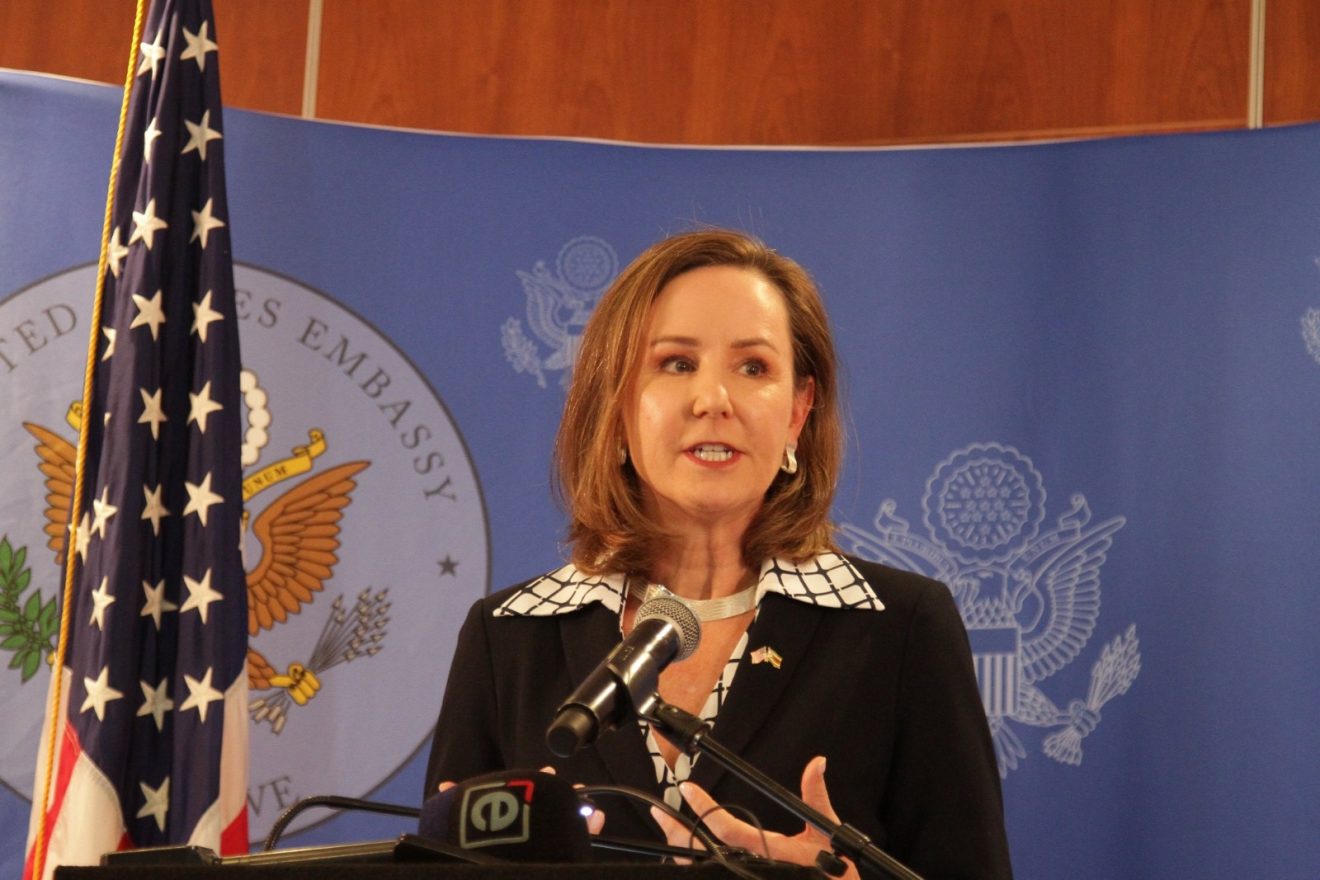
Speaking at a gathering of government, diplomatic, business, health and academic representatives, US Ambassador Pamela Tremont said the change marked a new chapter in relations between the two countries.
“The US-Zimbabwe relationship now pivots from one largely focused on health and humanitarian assistance, to one built on broader economic, trade and investment opportunities to drive prosperity for Zimbabweans and Americans alike,” Ambassador Tremont said.
While the government of Zimbabwe has maintained that the Memorandum of Understanding had clauses concerning the sharing of sensitive data and critical minerals, the US Embassy in Zimbabwe maintained that such did not exist.
Tremont said the United States would remain engaged with Zimbabwe despite the changes to its health assistance.
“First, the United States is not going anywhere,” she said, adding that the embassy would continue working with the Zimbabwean government and people on areas of mutual interest.
The new focus includes agriculture, water, technology, energy, infrastructure, artificial intelligence and mining.
The US also sees opportunities for American companies to supply irrigation systems, farming equipment, seeds and solar water systems as Zimbabwe’s agricultural and water sectors develop.
The ambassador said American companies were already operating in Zimbabwe in areas including business processing, commercial agriculture, mining and tourism, employing thousands of Zimbabweans.
Washington wants more US companies to enter the Zimbabwean market.
But the ambassador said American businesses needed a level playing field, a predictable policy environment, and the opportunity to do well while doing good.
The comments place Zimbabwe’s investment and business environment at the centre of the emerging relationship, as Washington seeks to expand commercial ties beyond its longstanding health programmes.
The United States also wants to strengthen security cooperation with Zimbabwe over transnational crime.
The ambassador cited drug, wildlife and human trafficking, saying criminal networks often rely on the same supply routes and illicit financial systems.
“We are stronger when we face these threats and dismantle these criminal networks together,” she said.
The shift follows more than two decades of US-Zimbabwe cooperation in health, particularly in HIV prevention, care and treatment, with the US helping Zimbabwe achieve HIV epidemic control, with more than 95% of people living with HIV receiving treatment.
She said the priority was now to sustain those gains through strong national systems, continued access to quality services and Zimbabwean leadership.
With US-supported programmes ending, the embassy said its health team was working with the Ministry of Health and Child Care and other partners on a thorough and responsible handover.
After the cessation of health programmes in Zimbabwe, health funding is likely to face further strain, with two key partner embassies, the Dutch and Swedish embassies, also closing their services in Zimbabwe.
Sweden has supported Zimbabwe’s HIV response since 1998, funding prevention, home-based care, support for orphans, gender programmes and health-system strengthening.
The Netherlands has been supporting cross-border HIV interventions through IOM, targeting mobile populations and improving prevention and access to services along migration routes.