Data Reveals Uneven Participation Among Zimbabwe’s MPs
BY NATHAN GUMA
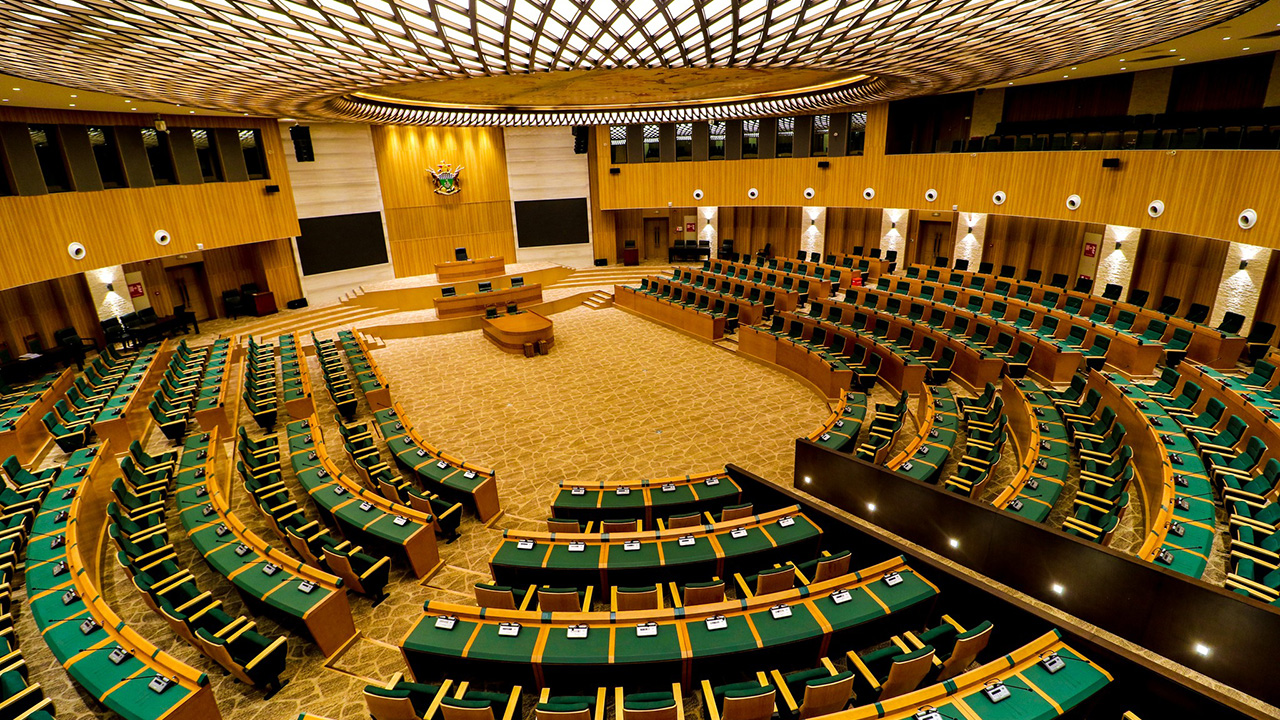
AN analysis of parliamentary Hansards between June 2025 and June 2026 has revealed sharply uneven participation among Zimbabwean MPs, with a small group accounting for a significant share of recorded speaking contributions in the National Assembly.
The analysis covers 46 National Assembly Hansards over 12 months and tracks the frequency of recorded speaking contributions by 280 MPs in Zimbabwe’s Parliament, comprising 210 constituency MPs, 60 women’s quota MPs and 10 youth MPs.
However, the data analysed showed that 68 MPs recorded 1,996 speaking contributions, with Citizens Coalition for Change (CCC) legislator Corban Madzivanyika, the MP for Mbizo, recording the highest number, with 212 contributions.
The findings also raise questions about whether uneven participation in Parliament is limiting the extent to which constituents’ grievances are aired and debated in the National Assembly.
He was followed by fellow CCC MP Edwin Mushoriwa of Dzivarasekwa, who recorded 187, while Gutu South MP and Zanu PF chief whip Pupurai Togarepi was the highest-ranked Zanu PF legislator, with 133 contributions, placing him third overall.
Chalton Hwende of Kuwadzana East recorded 113 contributions, while Collins Discent Bajila of Emakhandeni-Luveve recorded 107.
Madzivanyika’s high overall figure was not the result of consistent monthly participation, as he recorded 42 contributions in November 2025 before falling to seven in February 2026.
Mushoriwa showed a similarly uneven pattern, recording 37 contributions in June 2025 and 16 in July before reaching a high of 46 in December. After recording 11 contributions in March 2026 and nine in April, he rose to 45 in June.
Togarepi’s participation also increased towards the end of the period, rising from 15 contributions in June 2025 to 22 in December, 24 in May 2026 and a high of 30 in June.
Other Zanu PF MPs among the more active included Eddison Mudiwa N Zvobgo of Masvingo Central, with 52 contributions; Chinjai Kambuzuma of Hurungwe West, with 44; Daniel Garwe of Murewa North, with 42; and Clemence Chiduwa of Zaka South, also with 42.
The distribution then drops sharply.
Ropafadzo Makumire of Chiredzi Central recorded 75 contributions, while Darlington Dzikamai Chigumbu of Budiriro South recorded 70.
At the lower end of the dataset, Witness Jonga of Mount Darwin West recorded nine contributions, while Caleb Makwiranzou of Mutoko North, Thomas Muwodzeri of Ruwa and Brown Ndlovu of Vungu each recorded eight.
Supa Collins Mandiwanzira, Webster Kotiwani Shamu and Ophias Murambiwa each recorded seven.
June had highest contributions
June 2026 was the busiest month among those covered, with 280 contributions recorded across the 68 MPs, followed by June 2025, with 252 contributions, and November 2025, with 246.
The period also coincided with debate around Constitutional Amendment Bill No. 3, which was before Parliament during the period examined.
The analysis does not measure the quality, importance or effectiveness of MPs’ contributions, but the frequency with which recorded speaking contributions appear in the Hansards examined.
The figures therefore provide one measurable indicator of parliamentary participation, allowing citizens to see how frequently MPs included in the dataset contributed to proceedings.
What the figures mean
Analyst Obert Masaraure said the uneven participation raises questions about the relationship between MPs, political parties and their constituents.
“The fundamental question we must ask is whether our Members of Parliament genuinely hold a social contract with the constituents they claim to represent,” Masaraure said.
He argued that party structures can influence how MPs participate in Parliament.
“Because the electorate largely votes for political institutions, parties control their MPs through strict whipping systems and the ever-present threat of recall,” he said. “As a result, Parliament heavily reflects partisan agendas rather than the true interests of the people.”
This has also been happening at a time when several constituencies have been reeling under lack of basic resources like water.
For instance, in villages like Rushinga, people have been walking to neighbouring Mozambique to get water. However, their grievances have never been taken to parliament.
“We fetch water over long distances. Our wish is to get water from a nearby source. We are now old and cannot save our children to fetch water due to the distance. Our livestock is dying due to lack of water,” said Lydia Kateza, a villager from Kateza Village in Rushinga, Northern Zimbabwe.
“We also have to walk even longer distances to collect aid. So, we are calling for the government to provide water for us. We are calling for the government to provide transport that would ferry aid close to where we live. At times, we come home at around 2AM looking for food.”