BY NATHAN GUMA, from the UN Headquarters
AFGHANISTAN is facing growing pressure from the return of millions of people from neighbouring countries as humanitarian assistance continues to fall, the United Nations has warned.
Nearly 1.2 million Afghans have returned from Pakistan and Iran this year alone, some due to deportations, bringing the total number of returns since 2023 to 6.5 million, according to the United Nations Assistance Mission in Afghanistan (UNAMA).
The large-scale returns are taking place as Afghanistan continues to face a fragile economic and humanitarian situation, with the UN warning that limited resources could increase competition among communities.
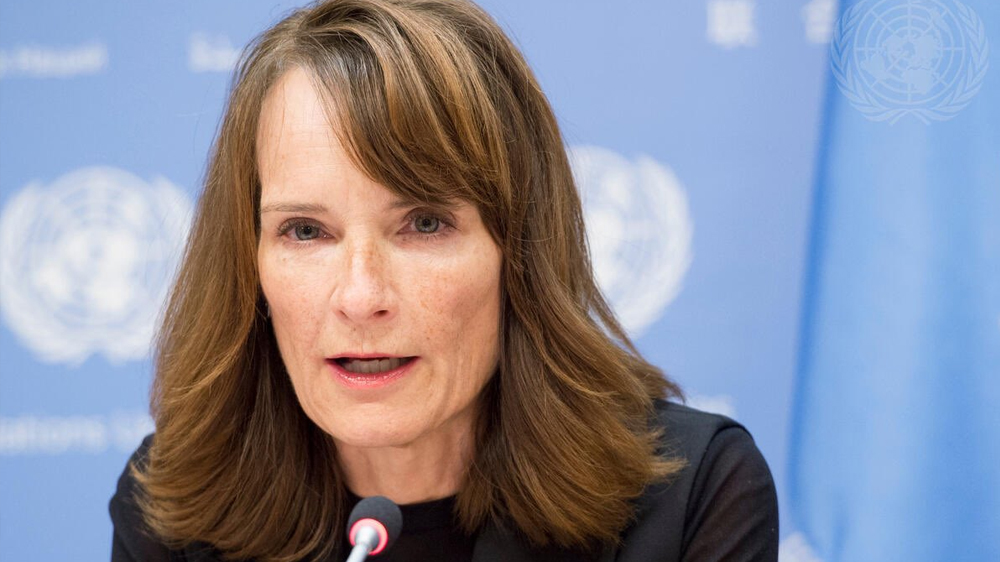
Briefing the United Nations Security Council on September 16, UNAMA Deputy Special Representative of the Secretary-General for Afghanistan Georgette Gagnon said the country was experiencing an extreme demographic and socio-economic shock.
“Without sustained support for returnees and host communities, competition over scarce resources risks fueling grievances, increasing displacement, and promoting instability,” Gagnon said.
The warning comes as Afghanistan’s humanitarian response remains severely underfunded.
Indications show that the 2026 Humanitarian Needs and Response Plan is only 30% funded, forcing humanitarian organisations to make difficult decisions over where they operate, who they reach and which services they can continue providing.
UNAMA said health facilities, nutrition centres, women’s protection services and other essential programmes had already closed or scaled back because of funding cuts.
The pressure is also being felt in the wider economy.
Although Afghanistan has maintained a degree of macroeconomic stability, Gagnon said this had not translated into economic recovery.
Per capita income has fallen by 5.6%, while exports have declined. The country also remains heavily dependent on imports, with border disruptions and wider regional instability weakening household purchasing power.
UNAMA says that the combination of economic weakness, reduced aid and large-scale returns has also been creating additional pressure on communities already struggling to access basic services.
The latest return figures also come against the backdrop of continued displacement caused by Afghanistan’s long-running crisis.
Gagnon said Afghans were telling UNAMA that the past five years of relative stability had provided a welcome breathing space, but many continued to suffer from rigid social policies and the country’s fragile economic and humanitarian conditions.
UNAMA cited UNICEF figures showing that about 3.7 million children are suffering from deficient malnutrition, including around one million experiencing severe acute malnutrition.
The situation is further complicated by Afghanistan’s relationship with neighbouring Pakistan.
Gagnon said sporadic hostilities and an almost year-long border closure were taking an increasing toll on civilians, communities and businesses.
The UN also says the consequences of developments in Afghanistan extend beyond its borders, with instability, increased displacement and out-migration, radicalisation and growing insecurity becoming international consequences.
Gagnon also called for greater support for alternative livelihoods following the ban on opium poppy cultivation, warning that economic pressures could undermine the gains made in reducing cultivation.
She said sustained and principled humanitarian and development assistance remained crucial to addressing Afghanistan’s needs.
The scale of the returns, however, is putting further pressure on a humanitarian system already operating with significantly fewer resources.
For Afghanistan, the challenge is no longer only helping people return, but ensuring that those returning can find basic services, livelihoods and stability once they arrive.