BY NATHAN GUMA
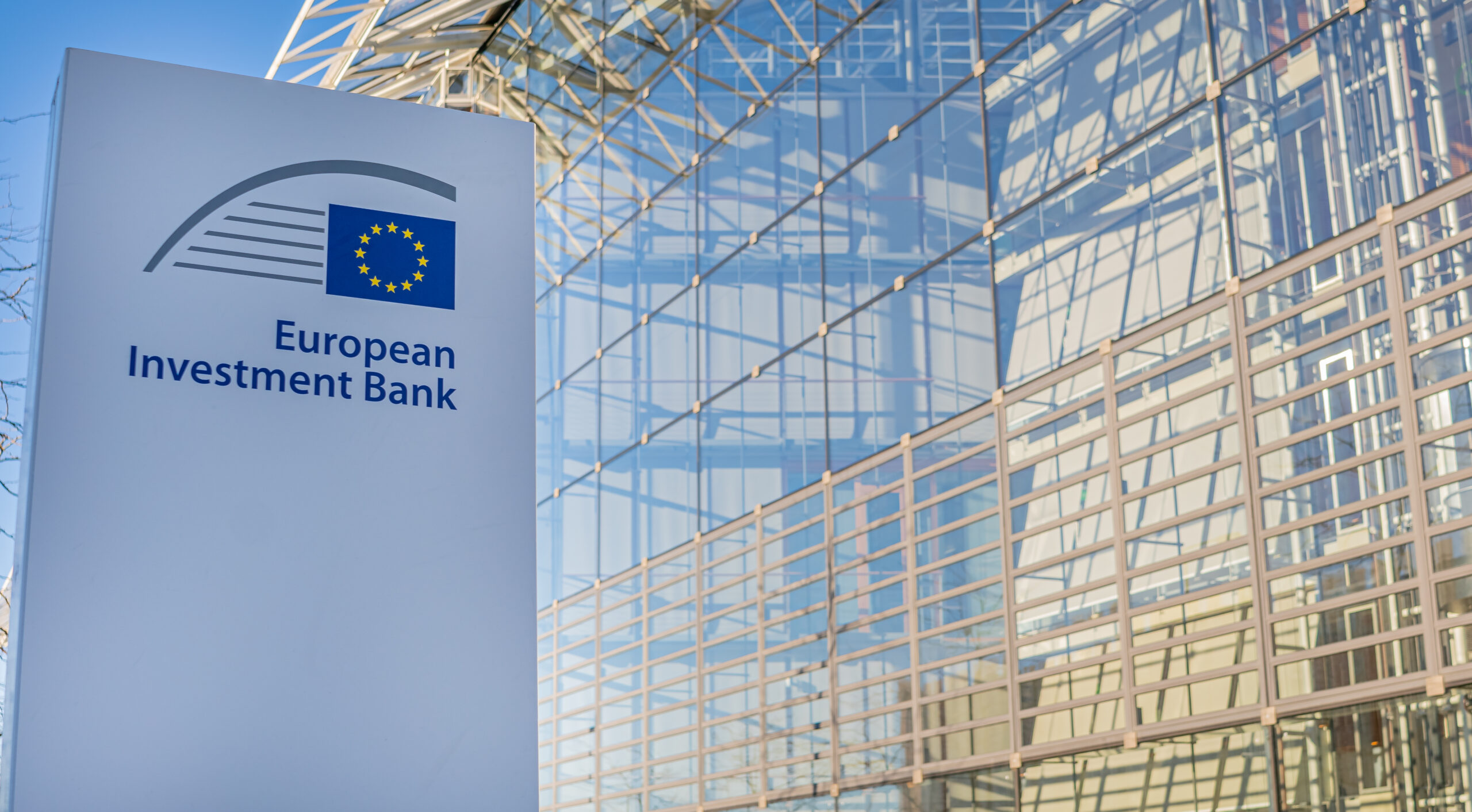
The European Investment Bank (EIB) and Canada have signed an agreement that could bring more European investment into Canada’s mining sector, as both sides look to secure supplies of critical minerals.
The agreement was signed at the EU-Canada Summit in Montréal on 30 October 2026. It gives the EIB a legal framework to consider financing and providing technical support to eligible projects in Canada.
Critical minerals are expected to be among the first areas of cooperation, with potential investments covering mining, processing, refining and recycling.
For Europe, the partnership offers an opportunity to diversify its sources of minerals. Canada, which has significant mineral resources and mining expertise, stands to attract investment into projects across the sector.
EIB Vice-President Nicola Beer said the agreement would bring together the strengths of both sides.
“Europe and Canada have what each other needs,” Beer said.
“Canada has world-class resources and expertise, while Europe offers investment, technology and a huge market. This agreement can bring those strengths together. At a time when both sides of the Atlantic are working to reduce strategic dependencies, we want to turn our partnership into investment in real projects, from mining and processing to recycling. That is how we build supply chains that are not only more secure, but more competitive too.”
The deal follows a Letter of Intent signed by the EIB and Canada in Toronto in March. Since then, the bank has started engaging Canadian companies and public and private financial institutions to identify projects that could attract investment.
The EIB also plans to establish a presence in Ottawa to support its work in Canada.
Canada’s Finance and National Revenue Minister François-Philippe Champagne said the agreement would help attract investment into Canadian critical mineral projects and strengthen economic ties with Europe.
“Canada is a long-standing, like-minded ally, and natural partner for Europe,” Champagne said.
He said the partnership would help secure access to resources needed by both economies and reduce their strategic dependencies.
Energy and Natural Resources Minister Tim Hodgson said Canada had the resources and expertise to expand its role in the global mining industry. He said the agreement could unlock investment while creating opportunities for workers, communities and Indigenous partners.
European Commission Executive Vice-President for Prosperity and Industrial Strategy Stéphane Séjourné said the partnership was intended to move beyond shared ambitions towards industrial investment.
He said combining Canada’s natural resources with European technology, expertise and capital could help develop supply chains stretching from extraction to refining and recycling.
Under the framework, the EIB can consider several forms of support, including loans, guarantees, equity and quasi-equity investments, as well as technical assistance. However, the signing does not mean that particular projects have already secured funding. Each proposed investment will still go through the bank’s appraisal and approval process.
The agreement builds on the EIB’s Critical Raw Materials Strategic Initiative, approved in March 2025 to support investment in secure and sustainable mineral supply chains and the implementation of the EU Critical Raw Materials Act.
The EIB Group, owned by the European Union’s 27 member states, signed €100 billion in new financing and advisory services in 2025, supporting more than 870 projects.
For Canada and Europe, the next step will be turning the new framework into actual investments in mineral projects.