News
Ndlovu Withdraws From Fuzwayo Case
Fuzwayo maintains that the case is a genuine effort to protect the Zimbabwean constitution from being unlawfully amended and mutilated for political gain.

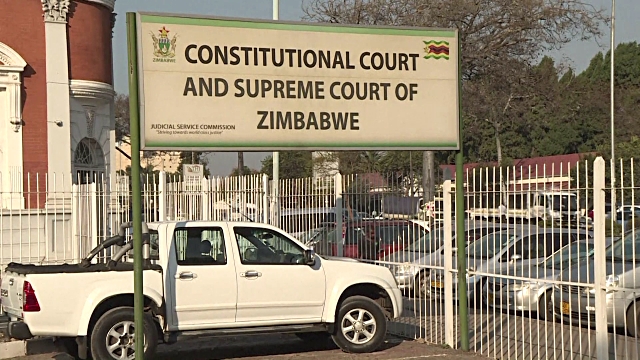
Harare lawyer, Advocate Method Ndlovu, has with immediate effect withdrawn his legal services for Matabeleland pressure group Ibhetshu LikaZulu and one of its leaders Mbuso Fuzwayo in their Constitutional Court bid to stop amendments to the constitution extending President Emmerson Mnangagwa’s term and ushering in a raft of reforms which seek to change the country’s political, electoral and governance systems.
Ndlovu cites lack of payment for his services and reputational risk for hastily withdrawing from the controversial case.
Significantly, in the process, Ndlovu – of Apex Legal Group of Advocates – named exiled former Zimbabwean minister and MP Jonathan Moyo as the “principal architect of the litigation.”
This raises the stakes in the case and attendant political issues, attracting closer public scrutiny.
The moves also fuels talk that the case is a contrived matter or collusive legal action primarily designed to help Mnangagwa’s 2030 plan through judicial manipulation.
Fuzwayo has denied this, saying it is a genuine case as Ibhetshu LikaZulu is really concerned about the amendments which it says violate fundamental rights of citizens to vote in a referendum and general elections, and undermines the constitution.
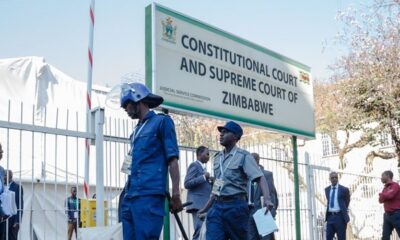
Last month the Constitutional Court granted Fuzwayo and Ibhetshu LikaZulu direct access to challenge a Zanu PF resolution aimed at extending Mnangagwa’s term of office to 2030.
Mnangagwa’s constitutional second term ends in 2028.
The court application seeks an interdict to stop the government from implementing the ruling party’s Bulawayo “Resolution 1 of 2024” – reaffirmed in Mutare last year – which proposes extending the presidential term beyond the current constitutional limit.
The contentious changes extend the President’s term from five to seven years and abolish direct popular voting in presidential elections.
Government says it extending the electoral cycle, not removing term limits.
Critics say that is a “constitutional coup”.
Fuzwayo argues the Zanu PF resolution violates citizens’ political rights and the constitution, specifically by-passing mandatory requirements like a national referendum stipulated in Section 328(7).
The case cites high-ranking officials, Mnangagwa, Justice Minister Ziyambi Ziyambi, Speaker of Parliament Jacob Mudenda, and Attorney General Virginia Mabiza.
Analysts and some media reports say the case may be a “sham” or a “proxy” move.
They suggest it was designed to be lost in court to provide a legal precedent that legitimises the term extension.
In November last year, a top official of Ibhetshu LikaZulu, Gifford Sibanda, resigned in protest.
He said the organisation’s leadership has now “gone to bed” with Zanu PF and that the legal challenge was part of a broader scheme he no longer supported.
Recent reports have highlighted a leaked audio allegedly involving Moyo talking to Zanu PF officials behind the 2030 agenda outlining a strategy to “trigger” early litigation to clarify (and potentially bypass) term-limit provisions.
Moyo says he was not talking to Zanu PF officials but to lawyers, Zibusiso Ncube and Ndlovu after they had called him about the issue.
However, Ndlovu has a different explanation of events, further complicating the issue.Moyo insists he was talking to Ncube and Ndlovu, and has produced some WhatsApp conversations to back his assertion, challenging the two lawyers to deny it with evidence.
Moyo says he willing to full length to prove his assertions, creating a potentially long-running saga.
Fuzwayo maintains that the case is a genuine effort to protect the Zimbabwean constitution from being unlawfully amended and mutilated for political gain.