BY NATHAN GUMA
When FreedPer Scientific, a Zimbabwe-based company supplying meteorological and hydrological solutions, engaged with US technology companies, the relationship grew out of a practical need.
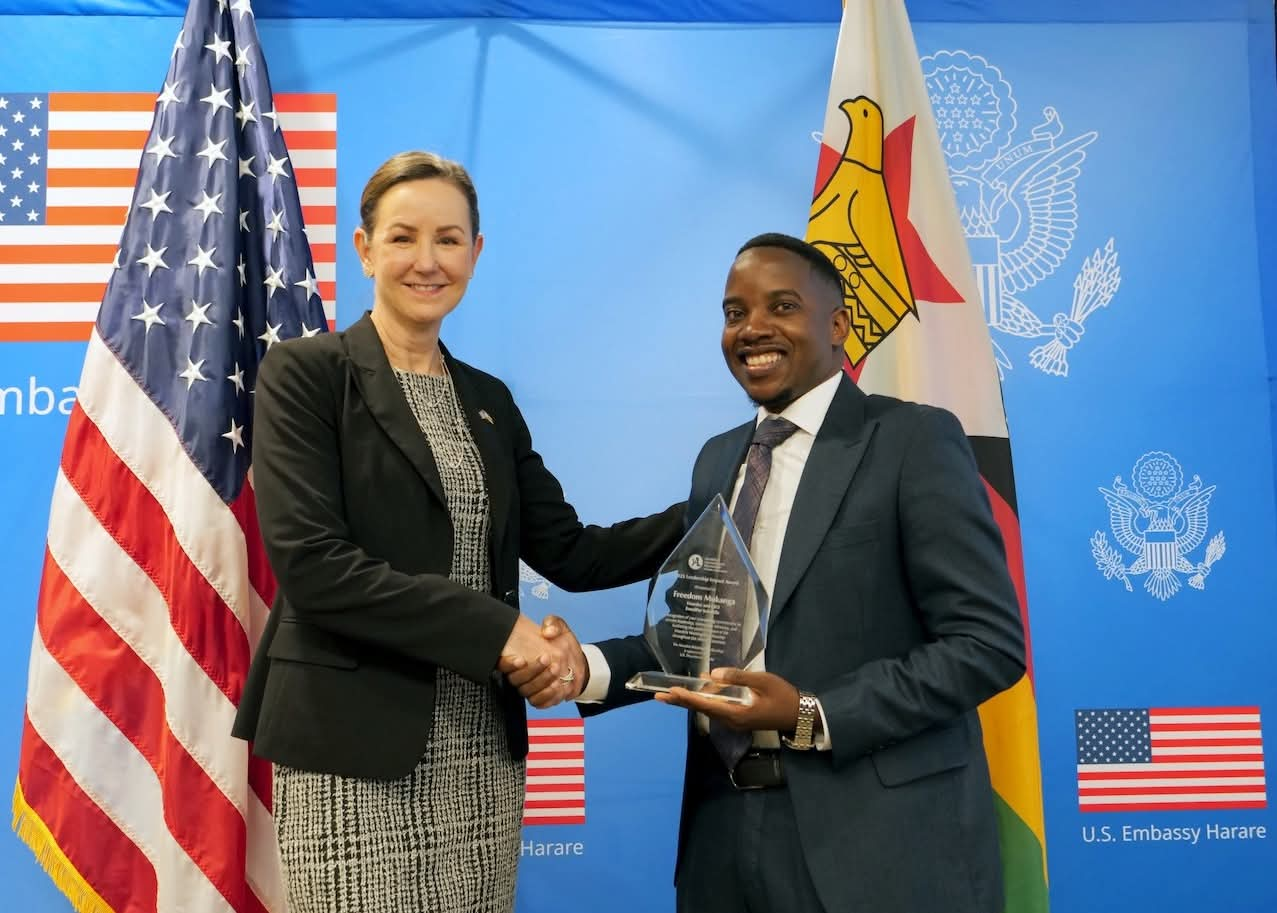
“We wanted to bring high-quality weather and environmental monitoring technologies into Zimbabwe and the wider African market,” says Freedom Mukanga, the company’s founder.
FreedPer is now strengthening partnerships with technology companies whose products could address gaps in Africa’s weather observation and environmental monitoring infrastructure.
The World Meteorological Organization (WMO) says Africa has, on average, eight times fewer land-based weather stations than recommended, leaving gaps in local forecasting and climate monitoring.
These gaps limit the availability of reliable data for agriculture, water management, research and early-warning systems.
Through partnerships with companies such as Synoptic Data, FreedPer is seeking to expand access to weather and environmental data while helping US technology providers reach markets that can be difficult to access directly.
“We have been able to deploy these technologies in schools, mining operations, research institutions and other sectors, while providing local installation, training, maintenance and technical support,” says Mukanga.
Promoting US-Zimbabwe Knowledge Exchange
FreedPer appointed Lydia Caddell, an American graduate of the University of Iowa, to promote knowledge exchange and strengthen its engagement with the US market.
Mukanga, a Mandela Washington Fellow, says the partnership demonstrates how people-to-people ties can support business relationships beyond government-to-government engagement.
“Education and exchange programmes create networks and relationships that can continue long after someone has completed their studies,” he says.
“Having an American University of Iowa graduate working with FreedPer gives us an additional perspective on the U.S. market and strengthens the human connection between our two countries.”
Facilitating Technology Transfer and Technical Expertise
Mukanga says the relationships extend beyond the physical movement of equipment from the United States to Zimbabwe, involving technical training and the transfer of knowledge needed to operate and maintain the systems locally.
“We are bringing a range of technologies for weather observation, environmental monitoring and climate-related decision-making,” he says.
“These include automatic weather stations, rainfall monitoring systems, weather sensors, lightning detection and environmental monitoring technologies. Some of these systems can provide real-time data that can be used for agriculture, mining, water resources management, research and early warning systems.”
He says introducing the technologies typically involves installation, commissioning, calibration, maintenance and knowledge transfer.
“Our Zimbabwean team develops the capacity to operate and maintain the systems locally, while we continue to engage with our technology partners on technical issues and new applications,” he says.
“This creates a two-way exchange. We gain access to technologies and expertise developed in the U.S., while our American partners gain a better understanding of the operating environment and requirements of African markets.”
Mukanga says the approach helps build local technical capacity and supports the long-term use of the systems in African markets.
Creating Economic Opportunities
FreedPer’s partnerships with US companies also present commercial opportunities for both countries.
For American technology providers, the Zimbabwean company offers local knowledge and support, including an understanding of procurement processes, installation requirements, maintenance and after-sales services.
Such partnerships can help US companies navigate some of the challenges of entering African markets.
“For Zimbabwe, the opportunity goes beyond importing equipment,” Mukanga says.
“We create local value through installation, engineering, technical support, training, maintenance and project management. As we expand, this creates opportunities for skilled employment and for other Zimbabwean businesses that support our projects.”
Mukanga says Africa’s demand for climate and environmental technologies presents further opportunities for investment and business partnerships.
For FreedPer, the relationships provide a way to bring international technology and expertise into local operations while developing the skills needed to install, operate and maintain the systems.