
News
US innovations ramping up HIV prevention in Zimbabwe

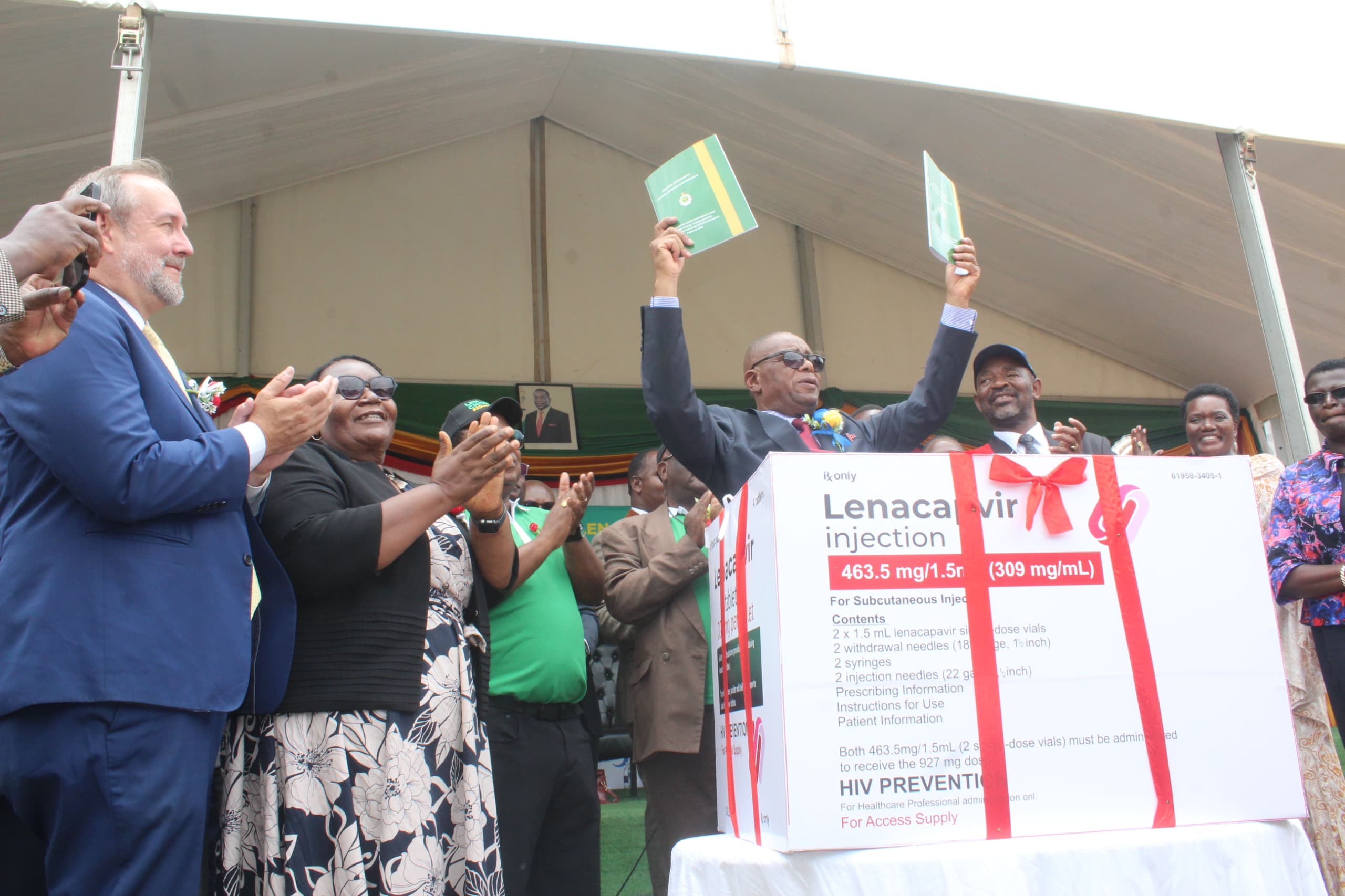
… Zimbabwe rolls out new injectable HIV prevention drug lenacapavir
BY NATHAN GUMA
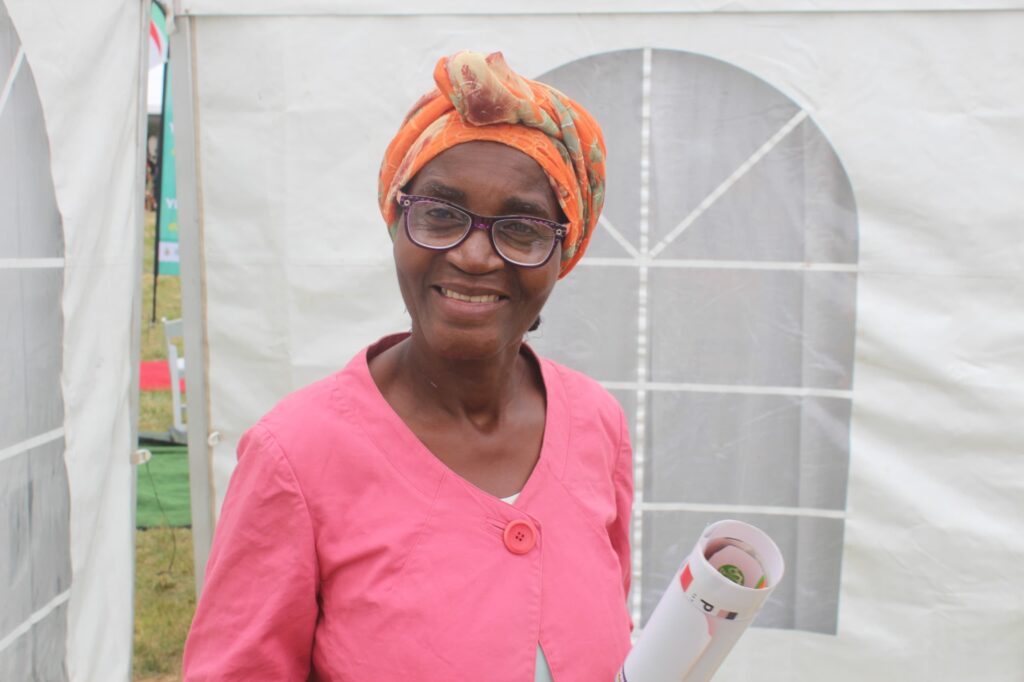
AS part of her childcare work in Epworth, a few kilometres from Harare’s central business district, Doreen Katsonga primarily works with children, particularly those with special needs.
Over the years, she has supported many who have faced abuse, including rape, and later contracted HIV.
However, following the introduction of Lenacapavir, a groundbreaking HIV prevention innovation, preventing children under her care from contracting the virus.
“I am a childcare worker with a condition of special need,” she says. “I am so happy for the introduction of the prevention injection, which is taken annually.
“Some have conditions like autism and other slow-developing conditions. Sometimes, people do not understand them, but I do. There are times when they are raped, which will give some prevention. Before they go for treatment, we already know that they are covered.”
She is among many welcoming the introduction of the injectable lenacapavir (LEN) drug, which is projected to strengthen HIV prevention efforts, particularly among vulnerable populations.
How injectable LEN works
LEN, a groundbreaking HIV prevention innovation developed by American scientists at Gilead Sciences, is designed to make protection from HIV simpler, more private, and easier to maintain, with just two doses administered every six months.
It offers a highly effective, long-acting alternative to daily oral pills and other shorter-acting options.
With only two doses per year, LEN represents a transformative step forward in protecting people at risk of HIV, particularly those who face challenges with daily adherence, stigma, or limited access to healthcare services.
The US government is now providing the drug to the Zimbabwean government, a development projected to become a game-changer in HIV prevention.
Since 1980, the US government has funded HIV prevention and eradication efforts, contributing to a significant decline in AIDS-related deaths among children born to people living with HIV.
According to data from UNAIDS, processed by IOW Data, annual deaths among children aged 0–14 have fallen to approximately 1,700, a substantial decline from the tens of thousands recorded during the epidemic’s peak in the late 1990s.
A similar trend has been observed with tuberculosis, which has also seen a notable decline over the past several years, supported by the United States government and its partners.
Future of LEN in Zimbabwe
US Ambassador Pamela Tremont says US innovations in the health sector have been saving lives.
“LEN, developed in the U.S. by Gilead Sciences and already in use in the United States, as well as in Zambia and Eswatini, represents a major advancement in HIV prevention,” she said during the launch of the drug at Epworth’s Overspill Clinic in Harare.
During the launch, she also learned about the health centre’s experience as one of the first clinics in Zimbabwe to offer the drug.
“This is what American expertise and innovation in global health looks like: saving lives, removing barriers to care, and expanding markets for American companies globally,” she said.
She said the US plans to support access to LEN for about 271,000 Zimbabweans over the next three years, which will prevent more than 9,000 new HIV infections, critical to maintaining control of the HIV epidemic in Zimbabwe.
“Building on decades of progress fighting HIV and AIDS in Zimbabwe, we are connecting U.S. medical expertise and innovation with the leadership and commitment of the team here at Epworth Overspill Clinic,” she said.
“To date, the American people have provided over $1.9 billion to combat HIV/AIDS in Zimbabwe, leading to achieving and sustaining the UNAIDS 95-95-95 targets, a world-class achievement that shows what we can accomplish together.”
She also said that the United States has evolved from simply providing aid to working directly with recipient countries to achieve self-reliance.
US Deputy Chief of Mission to Zimbabwe, Phillip Nervig, said that through the America First Global Health Strategy, American expertise has the potential to transform HIV prevention.
“LEN offers Zimbabwe a historic opportunity to sustain its remarkable progress in controlling the HIV epidemic by reducing new HIV infections,” he said. “And that progress has been extraordinary.”
He said the American people have provided funding to combat HIV/AIDS in Zimbabwe, which has been instrumental in helping the country surpass the UNAIDS 95-95-95 targets.
Since 2003, the United States President’s Emergency Plan for AIDS Relief, or PEPFAR, has saved over 25 million lives worldwide, which Nervig said represents the largest commitment by any nation to address a single disease.
Zimbabwe’s Minister of Health and Child Care, Dr. Douglas Mombeshora, said LEN responds to modern realities in HIV prevention.
“Over the past years, Zimbabwe has made progress in reducing HIV deaths. New HIV infections continue to occur, especially among adolescent girls and young women and other populations,” he said.
“This tells us something important: that prevention must fit into real life. If a health solution is too demanding and too visible, people will simply not use it. This is why innovation in prevention matters.”
“LEN represents a new way of doing things. It responds to a simple reality, that not everyone finds it easy to take a pill every day. Sometimes people forget. And sometimes, stigma makes it harder to be seen taking pills.”
He, however, said that LEN does not replace existing prevention methods but complements them.
“Abstinence, being faithful to one partner and consistent use of condoms, oral PrEP and other remain important,” he said.
Dr. Mombeshora said the first supply has arrived and will be rolled out in phases to ensure safe and equitable distribution, while allowing room to learn from early implementation and expand nationwide.
For care workers like Katsonga, the injectable drug represents a lifeline and a step in the right direction toward strengthening protection for marginalised communities.
“This is going to help the Epworth community and the country as a whole, because according to the conditions that we live in, there are people who are vulnerable to abuse.”
First published by IOW Data