BY NATHAN GUMA
THE United States of America’s constitutional history provides a case study of how institutional checks can shape the exercise of executive power, particularly in foreign policy, a US political scientist has said.
This comes as the United States marks 250 years since the Continental Congress adopted the Declaration of Independence on July 4, 1776, declaring the 13 American colonies independent from British rule.
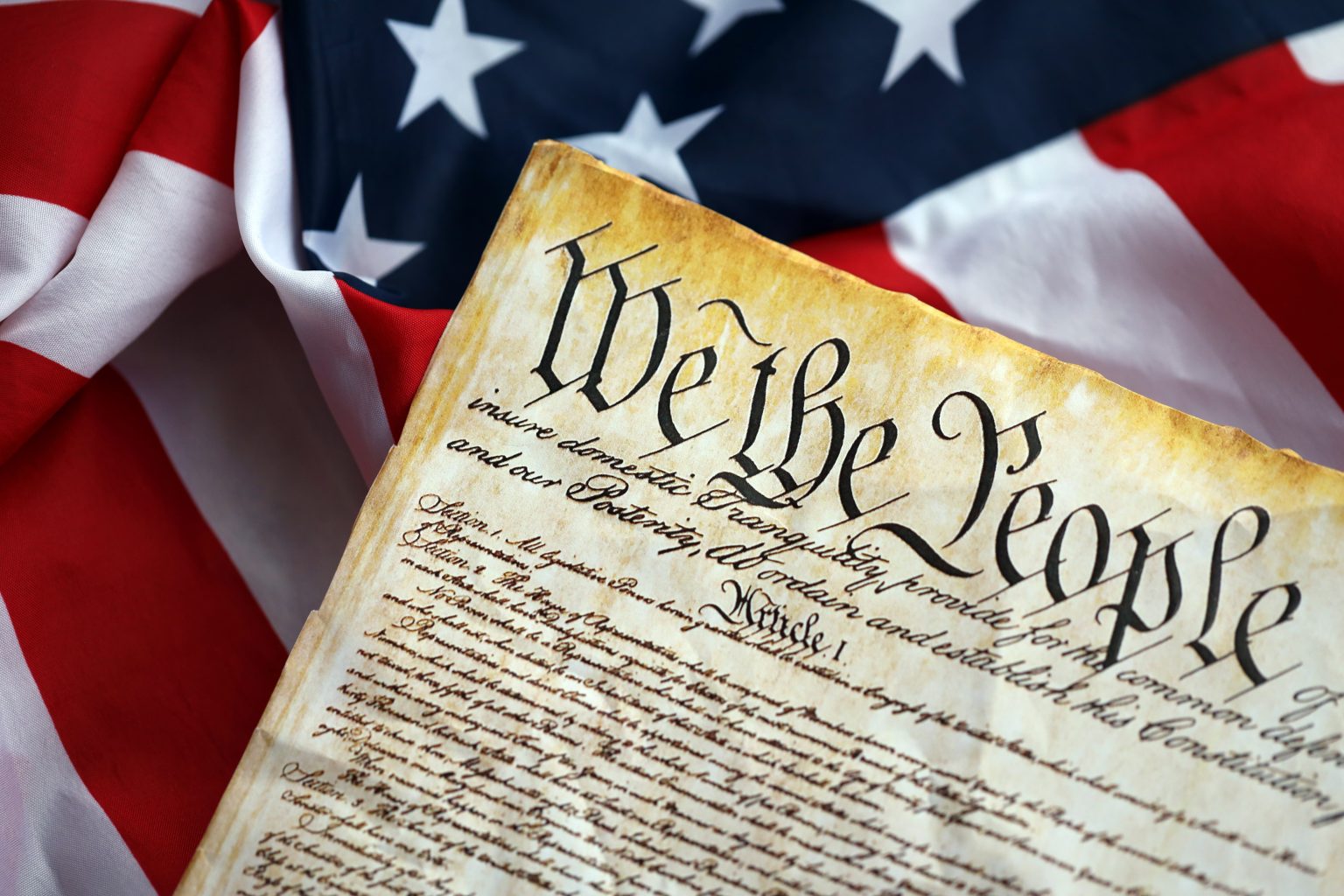
Eleven years later, delegates to the Constitutional Convention drafted the US Constitution, which was signed on September 17, 1787, in Philadelphia.
In Zimbabwe, civic society has been complaining about a diminishing role of oversight institutions such as parliament, among others, over governmental activities, raising accountability concerns.
Speaking during a Constitution Day celebration lecture, Dr Jeremy Matthew Berkowitz, an assistant professor of political science at Prairie View A&M University, said the US Constitution was crafted to promote good governance.
“It was designed partly out of concern that the new government could become as repressive as the British government the American revolutionaries had fought,” he said during the lecture convened by the US Embassy in Zimbabwe and the Zimbabwe Institute of Diplomacy.
“The framers therefore divided government powers among different institutions, including the presidency and Congress.”
How the US Constitution divided power
“For the field of foreign policy, there are two principal ones in the early constitutional period: the presidency and the legislative branch, Congress,” Prof Berkowitz said.
Under the original constitutional arrangement, the president was responsible for negotiating treaties, appointing ambassadors and serving as commander of the military.
Congress, meanwhile, was given legislative and financial powers, including control over taxation and government spending, while also having constitutional power to declare war, fund the military and determine trade policy.
Berkowitz said the division was intended to make government less capable of becoming repressive by preventing too much authority from being concentrated in one institution.
Trade and war
He also said the US example shows how the balance of power between institutions can change without necessarily rewriting the Constitution.
For instance, he linked some of the changes to developments following the First and Second World Wars, when the United States moved away from the earlier foreign-policy approach associated with isolationism.
In trade, Congress delegated authority to the president after the experience of protectionist policies during the Great Depression.
Prof Berkowitz said Congress had approved the Smoot-Hawley tariffs in the 1930s, partly reflecting the interests of regional constituencies, and that the measures were then viewed as having contributed to worsening the wider economic crisis.
Congress therefore moved towards giving the nationally elected president greater authority to make trade decisions.
He said a similar shift occurred in military affairs, with presidents conducting operations without formal declarations of war while Congress retained influence through military funding.
“The president gets to decide where to go to war, but Congress, through its control of the financial arrangements of war, they have a veto on the use of military conflict,” he said.
Judiciary
In the judiciary, Prof Berkowitz said the Supreme Court can intervene where it determines that presidential action exceeds the authority granted by law.
“And if the Supreme Court, the judicial branch, which I haven’t even mentioned because they don’t apply much to foreign policy, but are heavily involved in domestic policy, if the judicial branch views the president oversteps their bounds, they cannot take those actions,” Prof Berkowitz said.
“On the military side, the president has a lot of power to initiate military conflicts, but if those conflicts go on for a long time, the monetary control of Congress requires the president to get approval for the continued military operations.”
For Zimbabwe, the US experience provides a basis for examining how constitutional powers and institutional checks operate in practice, particularly in relation to executive authority and parliamentary oversight.