By Nathan Guma
The United Nations is using improved climate forecasting and early humanitarian funding to prepare for an exceptionally strong El Niño expected to worsen droughts, floods and food insecurity across Africa and other parts of the world.
The World Meteorological Organization (WMO) warned that the current El Niño could reach unprecedented strength, with sea surface temperatures in the tropical Pacific potentially rising to 3.8 degrees Celsius above average between November 2026 and January 2027.
The event is expected to peak towards the end of 2026, but its effects could continue long afterwards, disrupting rainfall and temperature patterns across several regions.
WMO Secretary-General Celeste Saulo said parts of East Africa were more likely to experience wetter-than-normal conditions during the October-to-December rainy season, increasing the risk of heavy rainfall and flooding.
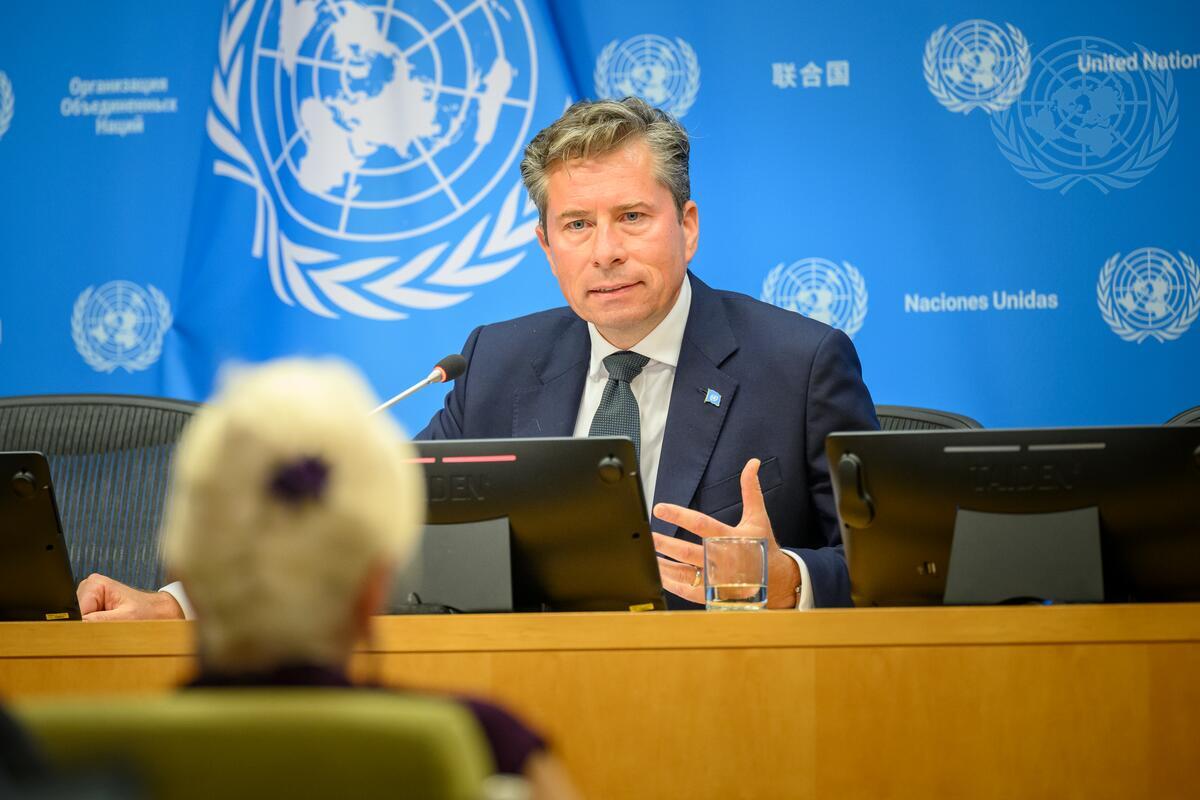
“We are already witnessing extreme weather events and expect this to multiply and cascade as El Niño intensifies,” she said during a joint press conference by the Office for the Coordination of Humanitarian Affairs (OCHA) and the WMO in Geneva.
Southern Africa faces the prospect of drier conditions from November, which could affect crop production, water availability and rural livelihoods as the region enters its typical rainy season.
Parts of Southeast Asia are also expected to experience warmer conditions and rainfall deficits, increasing pressure on agriculture and water supplies. Drought risks are also expected to rise in parts of Central America, the southern Caribbean and the Amazon.
The United Nations estimates that 50 million people could face increased hunger as El Niño compounds existing humanitarian crises, including conflict, displacement and rising food prices.
However, the UN says improved forecasting and early intervention could help reduce the damage by giving governments and aid agencies time to act before extreme weather triggers humanitarian emergencies.
“A powerful El Niño does not have to be a recipe for humanitarian disaster,” Saulo said, stressing the importance of science-based information, early warnings and decisive action.
Funding for affected countries
Tom Fletcher, the UN Under-Secretary-General for Humanitarian Affairs and Emergency Relief Coordinator, said forecasting capabilities had improved since the previous El Niño, creating opportunities to prepare communities more effectively.
He said the UN had released more than $50 million from its Central Emergency Response Fund to support 11 countries facing the anticipated impacts, with humanitarian coordinators instructed to use pooled funding to prepare for the crisis.
The strategy, known as anticipatory action, involves using forecasts and risk assessments to deliver assistance before disasters cause widespread damage.
These measures include providing cash to vulnerable households, helping farmers and herders protect crops and livestock, and moving humanitarian supplies to safer locations before floods cut off roads.
“The African Development Bank estimates that it will cost African countries between 10 and 20 billion US dollars and drive down GDP by between 1 and 2%,” Fletcher said.
“First, we must prepare people who are in the path of El Niño,” he added.
“Somalia, Ethiopia, Kenya need cash and supplies ahead of heavy rains. Southern Africa needs seeds and livestock before planning windows close. Central America needs immediate livelihood assistance, while Asia and the Pacific must prepare for droughts, floods, and cyclones,” he said.
Data sharing
Fletcher also urged scientists to share data, forecasts and advice with humanitarian agencies, while asking countries with disaster-response capabilities to place them on standby.
“The forecasting has moved on rapidly. And we’re applying the lessons we learned from previous crises. We’re using the best technology we can get our hands on to ensure that communities are as resilient as they can be,” he said.
He also called on the scientific community to contribute to the UN’s efforts to coordinate data and expertise.
“To the scientific community, please join our cell, which we’ve activated today, to share data, forecasts, and advice on the humanitarian response. We need that detailed work to help countries reduce the danger,” he said.