
News
SA, Bots migration flagged as key driver of new HIV infections in Mat South
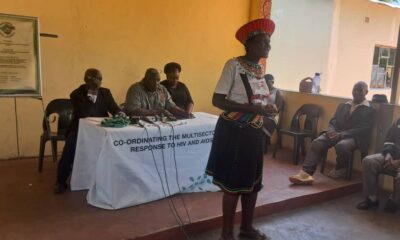
Memory Chere, a sex worker in Gwanda, said the problem of migration can be addressed if young people get support to start own small income generating projects.

BRENNA MATENDERE
Migration of young women in Matabeleland South into South Africa and Botswana has been flagged as a burden of new HIV infections in the province that now has the highest prevalence of the pandemic in Zimbabwe.
According to the 2022 National Housing and Population Census, Matabeleland South has an estimated population of 760,000 people.
The National AIDS Council (NAC) estimates that 93,000 are living with HIV.
The HIV prevalence in the province stands at 15%, making it the highest in the country and above the national average of 9%.
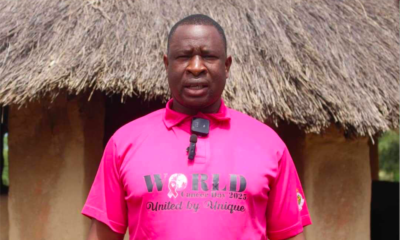
Due to migration to South Africa via the Beitbridge border and Botswana through Plumtree, Mgcini Sibanda, Matabeleland South Provincial Manager for NAC, told journalists during a media tour ahead of World AIDS Day that the high prevalence and HIV incidence rates among adolescent girls and young women (AGYW) have spiked.

“The young girls go to South Africa and Botswana without proper papers. As a result, they end up depending on male people for their upkeep who end up exposing them to new HIV infections. At the worst they resort to sex work.
“Because they won’t be having permits and passports, they won’t get HIV services there and when they come back home, contribute significant ly to new HIV risks,” he said.
As a result, the female HIV incidence rates are now higher than male rates across all districts in Matabeleland South.
Bulilima has recorded the highest at 0.38.
“This calls for targeted interventions for women,” said Sibanda.
All seven districts show prevalence rates significantly above the national average of 9.8%, underlining a persistent HIV pattern.
Bulilima stands at 17.6%, followed by Mangwe at 16.8%. Umzingwane is the highest.
Memory Chere, a sex worker in Gwanda, said the problem of migration can be addressed if young people get support to start own small income generating projects.
Nomathemba Madlambuzi from Umzingwane echoed the same sentiments.
Beulah Baloyi weighed in:
“If government brings the financial support through Ministry of small SMEs, we can start self help projects and never migrate to South Africa and Botswana where we get infected with HIV and come back home to spread the virus.”
Antiretroviral therapy (ART) coverage for all ages is at 98.4%.
Investigations by this publication shiwed that key drivers of High HIV Incidence Among Young Women and Girls
The rise in new HIV infections is concentrated among key populations, including female sex workers, men who have sex with men, and other vulnerable groups, with adolescent girls and young women aged 15 to 24 disproportionately affected. Incidence is particularly high among girls aged 15 to 19, followed by those aged 20 to 24, emphasizing the need for gender-targeted prevention and interventions. Persistent high rates in specific districts underscore the importance of localized responses.
“Several interconnected social and economic factors contribute to elevated HIV risk. Cultural practices such as early and forced marriages, along with societal norms that undermine consent and sexual autonomy, increase vulnerability. Research shows adolescent girls and young women often face expectations to comply with sexual relationships, reinforced by traditional beliefs and social pressures, which diminishes their ability to refuse sex and negotiate safer practices,” a top expert said.
Economic dependence exacerbates these vulnerabilities. Many young women rely on male partners for financial support, gifts, or basic necessities, especially in artisanal mining contexts or cross-border migration to South Africa and Botswana. This reliance often leads to transactional sex, increasing exposure to HIV. Addressing these risks requires a multi-sectoral strategy combining HIV prevention with economic empowerment, education, and community-based interventions to strengthen the autonomy and resilience of adolescent girls and young women.
Progress Towards 95-95-95 Targets
Zimbabwe has set targets in line with the UNAIDS 95-95-95 goals. While other provinces have excelled, Matabeleland South has made significant progress in adults, though children continue to lag. “Reflecting on the global targets, the first 95% represents people estimated to be living with HIV who know their status. The second 95% covers those on ART. In our province, adults are at 98.8% coverage, while children are at 89.9%, showing a gap in ART access and viral suppression for minors,” explained Sibanda.
Gender-transformative education initiatives, such as Not In My Village, engage traditional gatekeepers like chiefs and headmen to address harmful practices and behaviours perpetuated by men in the communities. Social support for young girls, particularly those at high risk, is enhanced through partnerships with government-led ministries.
Viral suppression remains a challenge, especially among adolescents. Factors include stigma, caregiver dependency, and difficulties accessing health services. Adolescents in boarding schools or those lacking consistent supervision often struggle to take medication as prescribed. Addressing these challenges is critical to ensure sustained HIV control and better health outcomes.