
Business
Nestlé battling with counterfeits on the market
It’s very concerning, very disappointing, which is why we’ve started working closely, even in other countries, with the Department of Trade and Industry, working closely with the regulators as well to be able to equip them with the knowledge

Nestlé Zimbabwe says its working hand in glove with government to sniff out counterfeits of their products from the market.
Speaking on the sidelines of the commissioning of a USD$7 million roller dryer at the Nestle plant in Harare, Head of Corporate Communications and Public Affairs, Conny Sathaelo said the problem is in all their African markets.

“It’s very concerning, very disappointing, which is why we have started working closely, even in other countries, with the Department of Trade and Industry, working closely with the regulators as well to be able to equip them with the knowledge to say this is what our product looks like, these are the things to look out for, this is what the barcode would look like, this is how it would start, these are the visuals that should give it away, and this is the colour that our product comes in. So hopefully with that we’ll start having some more awareness,” she said.


She also urged their consumers to notify Nestle when they realise they have bought counterfeits.
“But I urge people when they come across something that they feel it does not really convince them that it’s our product, to reach out to us, let us know, because then it’s only in that way that we can know that the product exists and it exists away. Then we can bring in our security department also, look at this, help to track where this whole thing is coming from, and then report that to the authorities or hand it over to the authorities to handle accordingly,” said Sathaelo.

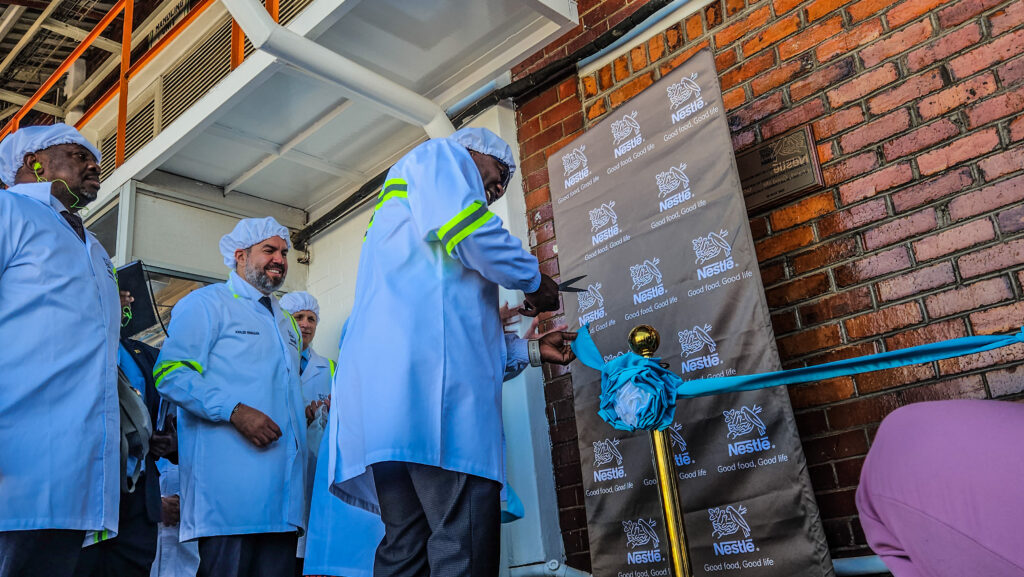
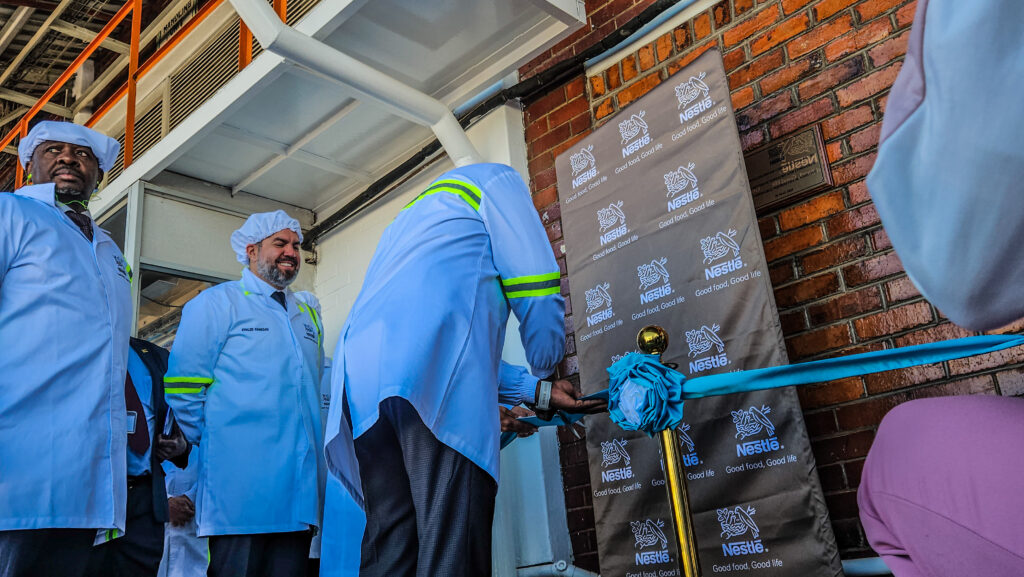

Like many producers in Zimbabwe, Nestlé, has been hit hard by the surge of cheaper counterfeits on the market.
Some people have taken to Facebook to express dismay at the change of “taste” of their products like Cerevita.
Sathaelo said Nestlé has a programme for women distributors who take their produce to the community which improves access to the original products as a way of dealing with counterfeits
“There’s a programme we have where we’re empowering women with business skills and financial skills to help distribute our product. So those ones cannot be considered as counterfeit because they are trained by us.
“You can even see with their regalia, you can see with the equipment they’re carrying or the tools they’re using to make a living, you know. Then you can know that it’s a Nestlé product, it’s a Nestlé business, it’s a Nestle initiative and they will distribute it within their own neighbourhoods, which also brought some element of trust.
“So that could be one of the ways as well that brings the products closer to the neighbourhoods, closer to the people, so that there’s a better level of trust and confidence in our brands,” she said.
Meanwhile, government, represented by the Minister of Industry and Commerce, Nqobizitha Mangaliso Ndlovu acknowledged that counterfeits are chocking legitimate business operations.

“Regarding rampant smuggling and counterfeiting, which are negatively affecting the industrial and commercial sectors of our economy, my ministry in collaboration with other ministries and departments was directed by cabinet in August 2024, to constitute and chair the taskforce on business malpractices with the primary objective to combat unfair business practices in the economy,” he said.
On the Ministry’s Facebook Page, there is a report that as at 2 May 2025, they had inspected 2243 businesses nationwide and secured 203 prosecutions and 269 compliance notices had been issued
Nestlé Zimbabwe has been operating in the country for a little over 6 decades investing millions into our economy and providing employment.
The lastest investment will see an increase in production of cereals.