News
Matatu & Tapfumaneyi: Brief Biolographical Profiles
As a young man in the late 1970s, he crossed the border to join ZIPRA, training in Zambia and entering the independence era already shaped by military discipline and political awareness.

By Gabriel Manyati
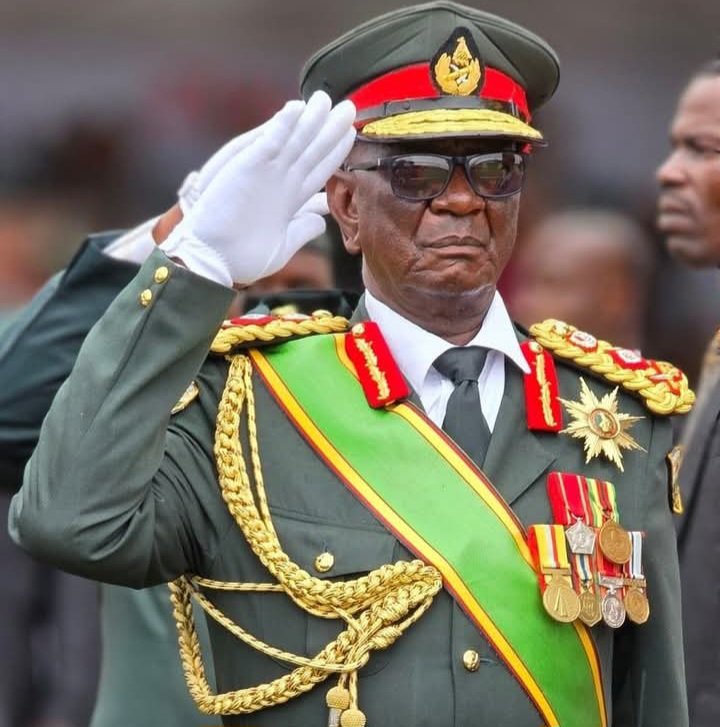
General Emmanuel Matatu: The Quiet Strategist Who Climbed All the Way Up
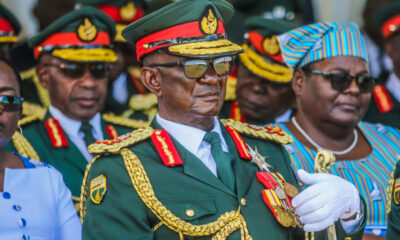
If there is one military figure who embodies the idea of slow, steady, purposeful rise, it is General Emmanuel Matatu.
He is not loud, not overly political, not flashy and not one for grandstanding.
Matatu is the guy who just keeps showing up, doing the work, learning the system and earning trust the long way.
Born in the early 1960s, he grew up in the Midlands but finished school at Thekwane High in Plumtree.
His story, like many of his generation, is welded to the liberation struggle.
As a young man in the late 1970s, he crossed the border to join ZIPRA, training in Zambia and entering the independence era already shaped by military discipline and political awareness.
When Zimbabwe attained independence, Matatu simply stayed in uniform. And then he kept rising.
In 2001, he moved into the generals’ circle, and two decades later he stepped up again into Major-General. His path wasn’t the headline-grabbing kind.
He carved out a niche in administrative roles, managing the machinery that keeps the defence forces running.
He worked at the National Defence University, then became Chief of Staff for Administration at Army Headquarters.
Then 2025 happened, the year of his big leap.
First came his promotion to Lieutenant-General and his appointment as Commander of the Zimbabwe National Army.
It was a major vote of confidence in a man many viewed as reliable and institutionally loyal.
He preached discipline, caution about social media noise, and the importance of formal communication channels.
It was classic Matatu: calm, procedural and understated. But the real peak came barely months later, when he was promoted again this time to full General, and made Commander of the Zimbabwe Defence Forces, the very top of Zimbabwe’s military structure.
Analysts often describe him as a “bridge figure” between generations of command.
His age means he may not be a long-term occupant of the top job, but his temperament makes him the ideal stabiliser.
He is not a factional brawler.
He is not openly ambitious.
He is the careful hand, the one who grew up in the liberation trenches and matured into a steady, predictable custodian of military continuity.
In the often turbulent world of Zimbabwe’s security politics, Matatu represents an old-school model: loyalty, procedure and duty above noise.
And sometimes, that is exactly the kind of personality presidents rely on when they want calm at the top.
General Asher Walter Tapfumaneyi: The Insider Who Always Finds His Way Back
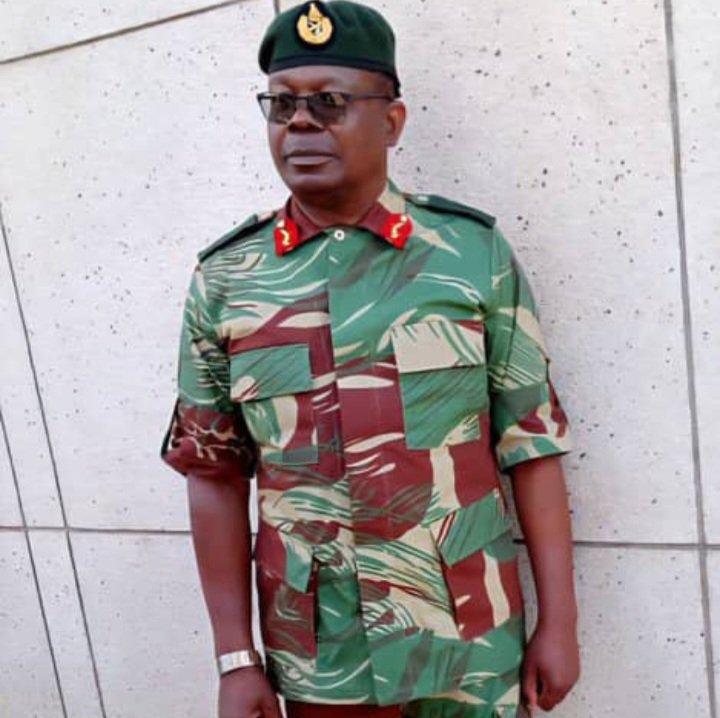
Where Matatu is quiet, General Asher Walter Tapfumaneyi is the opposite: a name that circulates everywhere, a figure always at the centre of conversations about the state, intelligence and power.
His story is part soldier, part political operator, part mystery.
Tapfumaneyi’s roots are in the military, but his real influence was forged in the Central Intelligence Organisation, where he became a Deputy Director General.
He has long been regarded as one of the most politically plugged-in security figures of the post-2000 era. Even after retiring as a Brigadier General, he never truly left the system.
His fingerprints appeared in political mobilisation programmes, national intelligence affairs and behind-the-scenes strategy.
Then came 2025, a year that felt like his re-entry into open power.
He was brought back into the army as a Major-General, a move that surprised many who thought he was long gone from the barracks.
Months later he was elevated again, this time to Lieutenant-General and appointed Commander of the Zimbabwe National Army.
It was a meteoric comeback, the kind that only happens when a president trusts you deeply.
What makes Tapfumaneyi fascinating is the blend of roles he has held.
Besides his intelligence background, he served as Permanent Secretary for War Veterans and later in the Ministry of Presidential Affairs.
His career has always straddled the line between military service and political engineering.
It’s what gives him influence, and why he is often described as a strategist rather than a simple career officer. But his rise has not been without controversy.
His name has been linked to political mobilisation structures, shadowy election strategies and aggressive campaigns that critics say tilted the playing field.
Whether those claims are fair or exaggerated, Tapfumaneyi has never been a neutral figure.
He is a power player, a loyalist and a man who understands how the political and security systems overlap.
His rapid promotions in 2025 signalled something bigger than mere reshuffling.
Many analysts believe he is part of a broader project to place trusted insiders at every important node of the state.
Tapfumaneyi fits that mould perfectly: experienced, loyal, politically literate and unafraid of the darker corners of power.
In a political climate where loyalty often outweighs optics, he is exactly the kind of figure who thrives.
And he is back at the centre of things: commanding the army, shaping internal dynamics, and once again proving that in Zimbabwe’s power matrix, some men never really leave the stage.