As Cabinet Approves Key Reforms
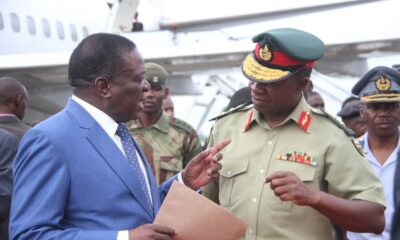
Zimbabwe is facing a significant “constitutional moment” following yesterday’s cabinet decision to approve sweeping legislative reforms aimed at extending President Emmerson Mnangagwa’s rule and overhaul the political and electoral system.
The troubled country has had many critical constitutional moments, tracing its journey from a settler-colonial state to an independent republic, marked by major negotiations, popular rejections, and significant amendments designed to entrench executive power.
The foundational constitutional moment for modern Zimbabwe was the 1979 Lancaster House Agreement, which brought in a new constitution and the first democratic elections in 1980.
Amid a subsequent drive to consolidate power, the late former president Robert Mugabe brought in the 1987 constitutional amendment N0.7, marking a major shift towards authoritarian rule.
The constitution was amended to scrap the post of prime minister and create an imperial presidency, which was initially filled by Mugabe until he was removed in a coup 2017.
It merged the roles of head of state and government, with those of prime minister, concentrating power within the presidency.
Yesterday’s cabinet approved sweeping constitutional reforms mainly designed to overhaul the country’s broken political and electoral systems and extend Mnangagwa’s reign.
This came as Zimbabwe is seeking a new political direction with the public engaged in intense debate about the origins, impact and implications of the changes.
Cabinet backed the proposal to extend the presidential term from five to seven years, allowing the 84-year-old Mnangagwa to remain in office until 2030.
This is an important moment for Zimbabwe and its people as they try to extricate themselves from a protracted crisis which has ruined the nation.
The country has been stuck in a political, economic and social morass for decades due to Zanu PF leadership, governance and policy failures, some of which is it now trying to address through these changes.
Millions of citizens have fled the country and are now scrounging for a living in neighbouring and overseas states, while many more remain languishing in poverty at home.
Justice minister Ziyambi Ziyambi introduced Constitutional Amendment No. 3 Bill (2026), a major legislative proposal designed to overhaul the country’s governance and electoral systems, and it was approved as the architects of the changes seek to use the moment of Mnangagwa’s term extension to push through some reforms.
The bill proposes extending presidential terms from five to seven years.
This would allow Mnangagwa to remain in power until 2030, which is two years beyond his current constitutional limit of 2028.
Instead of the system of a direct popular vote currently used, the president would now be elected by a joint sitting of Parliament following general elections.
There are also a number of other changes approved by cabinet.
But opposition leaders and legal experts have widely condemned the move as a constitutional coup – not a constitutional moment – which is politically destabilising saying it subverts the constitution, undermines democratic stability and progress.
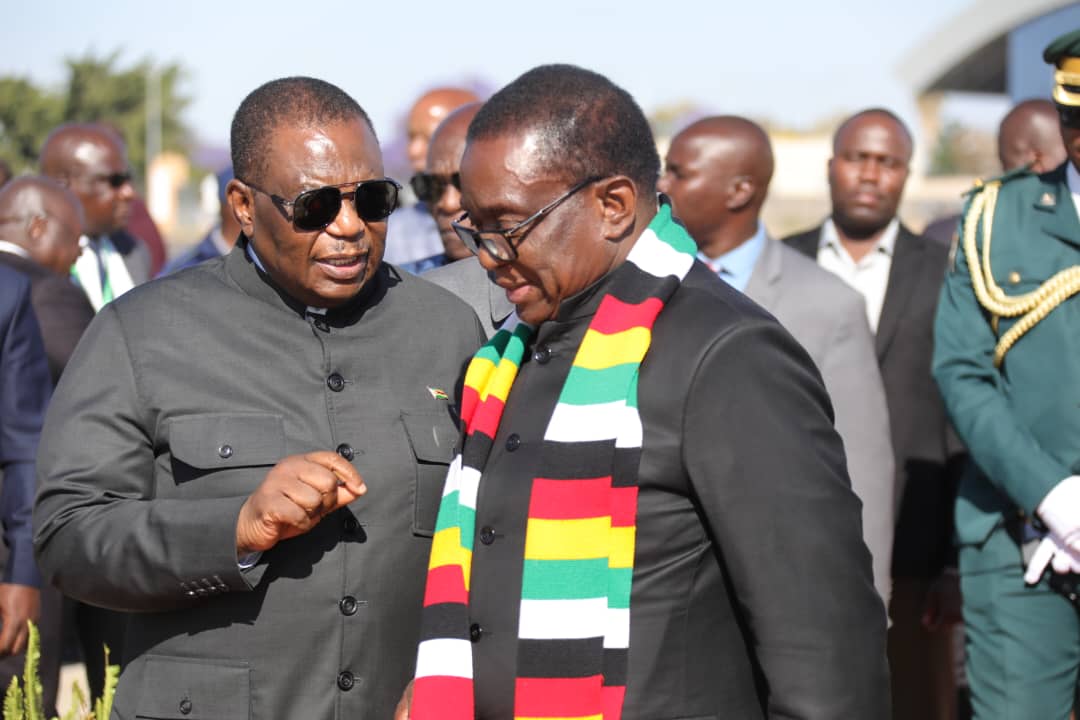
Analysts say the push is partly a manoeuvre to manage internal succession battles between Mnangagwa and Vice-President Constantino Chiwenga who is opposed to the changes.
This moment follows decade of similar critical junctures. Adopted through a popular referendum to replace the flawed Lancaster House Constitution, the 2013 constitution initially inspired hope for democratic reform.
However, amendments one and two roled back some democratic gains.
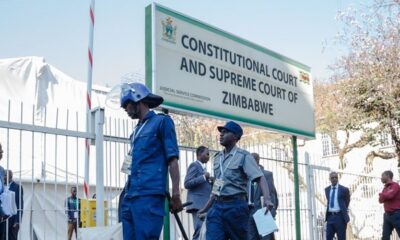
Since 2017, the ruling party has used its two-thirds majority to pass amendments consolidating power, and weakening judicial independence, among other things.
The new reforms provide an opportunity for the country to reset its governance, adopt democratic practices and run proper elections to ensure progress.