News
New Army Appointments Bad News For Chiwenga Presidential Ambitions
The military’s deep conflation into the state, with many retired officers holding key positions, solidifies its control over political security and the perpetuation of the ruling party’s dominance.

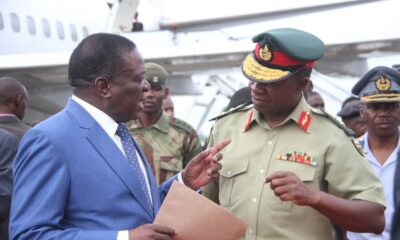
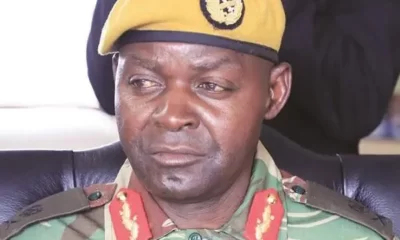
In a widely predicted move that has far-reaching political implications, particularly on the Zanu PF internal succession power struggle and the 2030 political project, President Emmerson Mnangagwa has promoted Lieutenant-General Emmanuel Matatu to the rank of General and appointed him the new Zimbabwe Defence Forces (ZDF) commander with effect 21 November 2025.
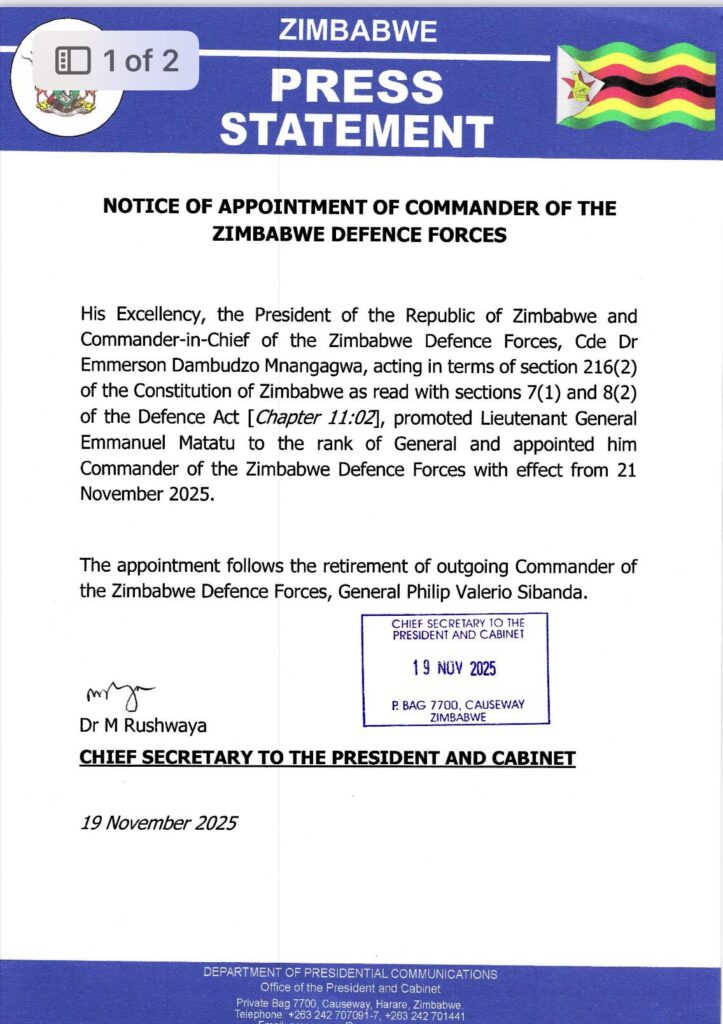
This follows the retirement of outgoing ZDF commander General Philip Valerio Sibanda, who is now likely to go into politics.
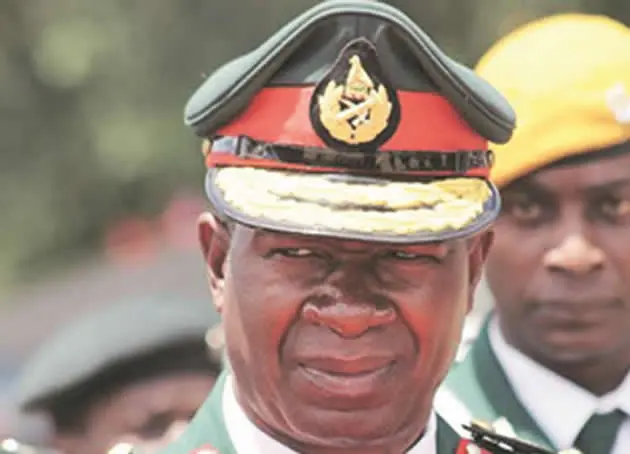
Insiders say Mnangagwa is likely to appoint Sibanda Defence minister in the anticipated cabinet reshuffle.
Mnangagwa tried to appoint Sibanda into the Zanu PF politburo at the Zanu PF annual conference in Gweru in December 2023, but the move was blocked because it was unconstitutional.
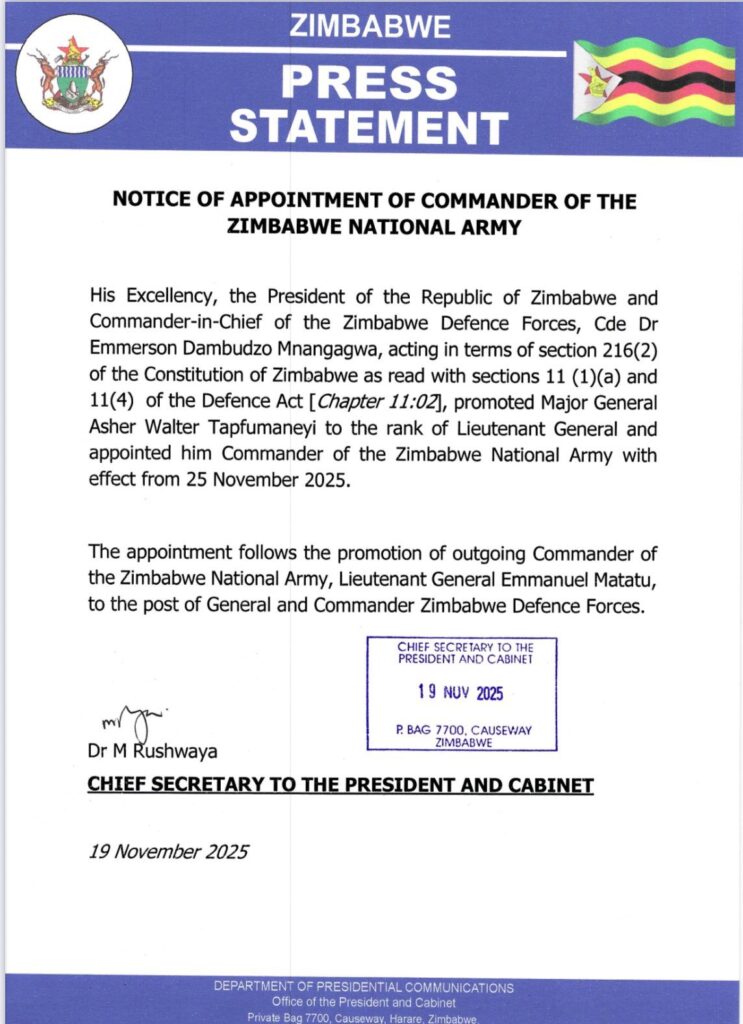
Meanwhile, Mnangagwa also promoted Major-General Asher Walter Tapfumaneyi to the rank of Lieutenant-General and subsequently appointed him Zimbabwe National Army commander with effect from the same date.
Matatu and Tapfumaneyi are Mnangagwa’s military allies.
This will help Mnangagwa’s bid to term his rule to 2030 beyond his 2028 second term constitutional limit.
The appointments have a huge bearing on Mnangagwa’s succession battle.
In March, Mnangagwa removed ZDF commander Lieutenant-General Anseleem Sanyatwe as he was seen as pushing Vice-President Constantino Chiwenga’s succession agenda ahead of the March 31 anti-government mass stay away protests called for by disgruntled war veterans leader Blessed Geza, a Chiwenga ally.
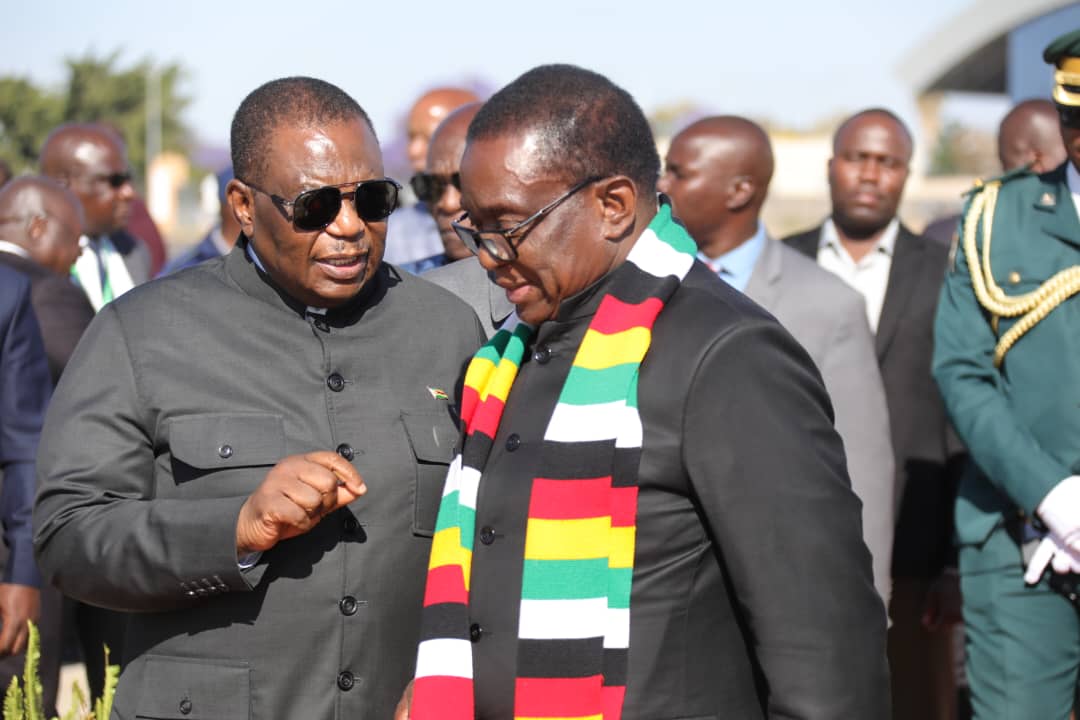
The changes further consolidate Mnangagwa’s grip on the army, making it even more difficult for Chiwenga to use his hitherto strong military leverage to become the next President.
The military remains a critical factor in Zimbabwean politics and holds the balance on succession.
The army acts as a kingmaker in power transitions and guarantor of Zanu PF’s political hegemony, as seen during the 2017 coup that brought Mnangagwa to power.
Its influence extends to Zanu PF succession battles, where military leaders hold significant sway and have previously intervened to ensure political outcomes that align with their interests.
The military’s deep conflation into the state, with many retired officers holding key positions, solidifies its control over political security and the perpetuation of the ruling party’s dominance.