despite renewed continental commitments
By Staff Writer
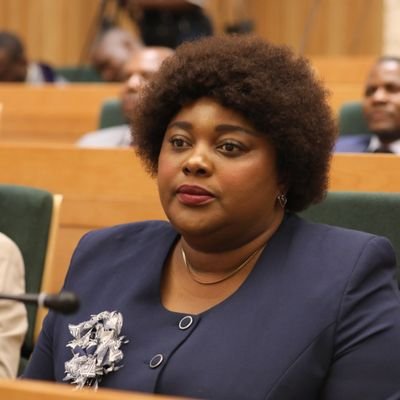
HARARE — Proportional Representation for Mashonaland West,Mutsa Murombedzi, was among Members of Parliament from 11 African countries, who issued a fresh warning over persistently high maternal deaths, admitting that progress in saving women’s lives during childbirth remains too slow.
Meeting at the March 2026 International Maternal, Newborn and Child Health Conference in Nairobi, the lawmakers adopted a joint declaration committing to urgent action to improve maternal and newborn health outcomes across the continent.
The MPs acknowledged that while some gains have been made, “more action needs to be made to save lives and improve the quality of care of women and newborns,” highlighting gaps in funding, access to life-saving commodities, and shortages of skilled health workers.
“While we recognize the good progress in improving the quality of women’s lives in our countries, we are cognizant and committed that more action needs to be made to save lives and improve the quality of care of the women and newborns,” read their statement
At the centre of the declaration is a push for governments to increase domestic health financing in line with the Abuja Declaration target of allocating at least 15% of national budgets to health — a benchmark Zimbabwe has consistently struggled to meet.
In some instances they meet the 15% but a huge chunk goes to salaries and not the resources needed to improve healthcare.
The lawmakers also underscored the critical role of midwives, noting that they can deliver up to 90% of essential maternal and newborn health services if adequately trained, resourced, and deployed.
“We engaged in expert discussions on accelerating access to life-saving, quality assured reproductive, maternal, and newborn health commodities, increasing sustainable financing, and strengthening care provided by midwives who can cost-effectively deliver 90% of all essential reproductive, maternal, newborn, child, and adolescent health,” they said.
The declaration further calls for improved supply chains to ensure consistent availability of essential medicines, as well as stronger oversight by parliaments to guarantee that allocated health budgets translate into real services on the ground.
Zimbabwe’s inclusion in the declaration places it at the centre of a regional push to tackle maternal mortality — a crisis that continues to claim the lives of women from largely preventable causes.
According to the United Nations Population Fund (UNFPA), maternal deaths in sub-Saharan Africa remain among the highest globally, driven by weak health systems, limited access to skilled care, and persistent inequalities in healthcare delivery.
Despite policy commitments, the reality in Zimbabwe’s public health sector tells a different story. Clinics and hospitals continue to grapple with shortages of drugs, equipment, and personnel — conditions that experts say contribute directly to maternal deaths.
As governments renew their commitments, the question remains whether these pledges will translate into tangible change — or become yet another set of promises overshadowed by inaction.
For Zimbabwean women, the stakes could not be higher.
Full statement here