
News
How Local Solutions Are Tackling Matabeleland’s Water Crisis

BY NATHAN GUMA recently in New York
DURING his time at the City of Bulawayo’s Water Branch, Engineer Melinkosi Dube, a water engineer, was moved by the city’s ongoing water crisis, which disproportionately affected low-income earners in high-density and peri-urban communities.
Given the Metropolitan Province’s water woes, low-income earners have been hard hit, with many failing to afford alternative water sources like boreholes with tanks.
It is against this background that he has come up with an innovation, through his not-for-profit, WaterHive, which seeks to improve water access for marginalised communities.
This has been mainly supported by Pro Africa Development (PAD), an organisation that economically empowers rural communities by implementing gravity-fed irrigation schemes, small livestock projects, and conservation agriculture.
This year, his water project earned him great recognition, being selected for the prestigious Mandela Washington Fellowship, run by the US Department of State, where he was placed under the Public Management Track at Syracuse University, in the state of New York.
“This stark inequality, where income determined access to clean water, deeply moved me and led to the founding of The WaterHive. It was through subsequent work at Kusile Rural District Council and later at PAD that the true calling of The WaterHive became clear: to focus on rural areas,” he says.
“These communities, often custodians of major water resources like dams that supply urban centres, ironically remain among the most underserved in terms of clean and safe water access.”
How the innovation works
Given the infrastructure constraints in rural areas, Eng. Dube says his organisation has been strategically targeting communities with existing dams constructed by PAD, being mindful of rural realities, particularly limited access to electricity.
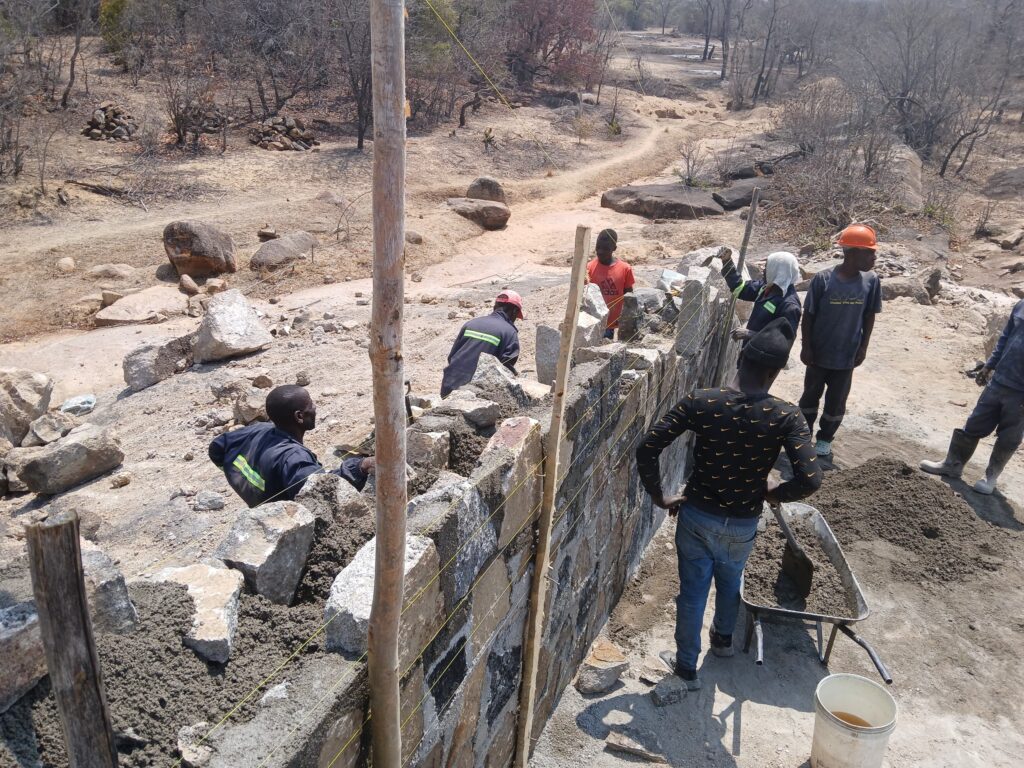
“We primarily use Slow Sand Filtration Systems as a base, enhancing them with Coagulation-Flocculation, Sedimentation, and Disinfection stages,” he explains.
“Although traditional, this system is low-cost, requires minimal power, and is effective at producing safe drinking water. Its simplicity also makes it easy for rural communities to manage, with training provided to ensure sustainable operation.”
Water Provision in Matobo
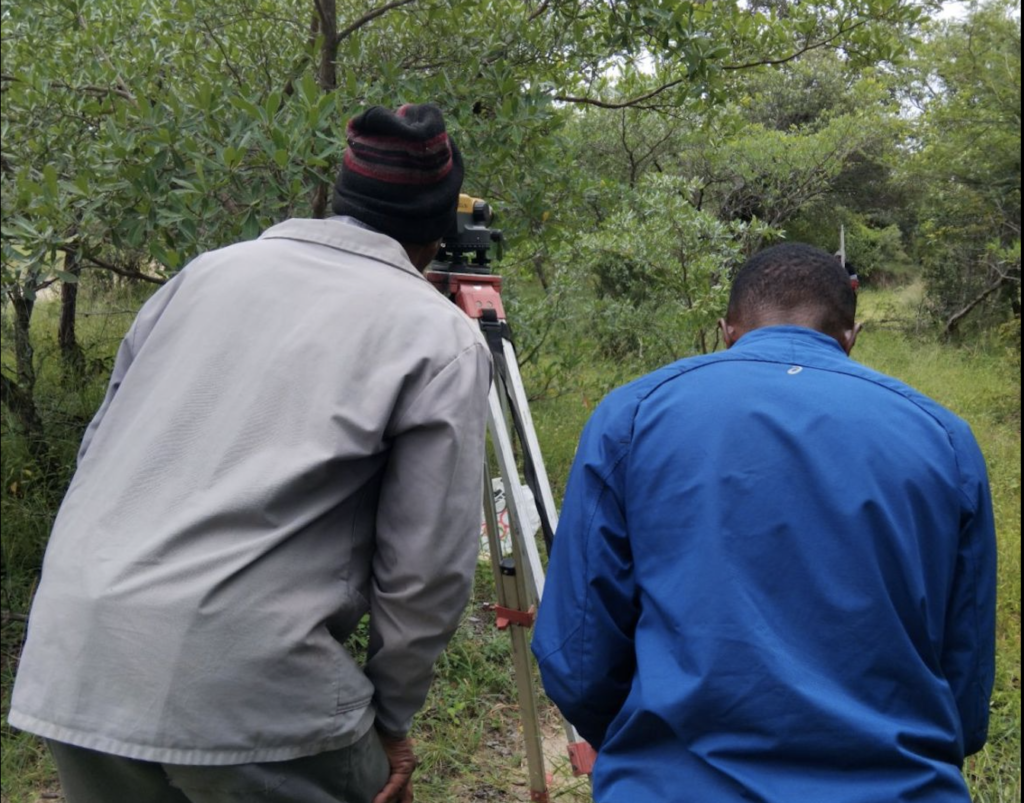
In April this year, PAD and the WaterHive installed a 700-metre pipeline from Mazhayimbe Community Dam to a newly established 4-hectare irrigation garden, which has transformed the land into a potential source of livelihood and improved nutrition for the community.
“Witnessing community members, both men and women, dance with joy as water flowed through the pipeline was deeply moving. That moment reminded me of the true power of access to water,” he says.
“It reaffirmed my commitment to this work and continues to fuel The WaterHive’s and our partner Pro Africa Development’s mission.
“I am indebted to PAD as both an implementing partner and mentor to allowing a partnership with The WaterHive to work together in improving access to clean water to rural communities, one village at a time.”
Data on Zimbabwe’s Access to Water
According to United Nations SDG6 data, only 27% of Zimbabweans have access to clean and safe water.
This means that over 11 million people, primarily in rural and peri-urban areas, still lack basic access.
Most of these communities depend on underground water sources such as boreholes and wells, which are vulnerable to seasonal droughts worsened by climate change, while others mainly rely on surface sources like rivers and dams, which are often contaminated with sediment, pathogens, and, in severe cases, chemical pollutants from mining.
Challenges
Dube says his journey to provide clean water has, however, been largely blighted by infrastructure deficits, as many areas lack reservoirs or dams to store water, which are capital-intensive, hence the need for cost-effective innovations.
“Climate change is another critical threat. Prolonged droughts are reducing rainfall and runoff into rivers and dams, especially in rural areas. This significantly lowers water availability and threatens long-term water security.”
Social Infrastructure
After completion of successful water projects, the WaterHive project then hands them over to communities.
“Social infrastructure is essential to the success of any water project. Before initiating a project, we establish Water Point Committees comprised of community members who guide and inform implementation,” Dube says.
“Through the Mandela Washington Fellowship at the Maxwell School, I gained further tools to strengthen community engagement, including surveys, questionnaires, and participatory interviews. These approaches allow us to capture insights from local leadership and tailor each project to the community’s specific needs and context.”