BY NATHAN GUMA
ZIMBABWEAN firm, FreedPer Scientific is turning schools into weather data hubs, expanding early warning coverage and closing long-standing gaps in disaster preparedness.
This comes at a time when the country has been repeatedly hit by deadly floods over the past decades, amid a significant gap in hydrometeorological infrastructure, raising the need for early detection systems.
Hydrometeorological infrastructure refers to the systems, tools and institutions used to observe, measure, analyse and share weather and water information, allowing societies to anticipate and manage climate-related risks.
The company, a commercial firm with a social impact model, has been expanding hydrometeorological infrastructure across multiple sectors, including education, mining, hydrology and the development sector.
The company prioritises vulnerable areas where limited observation systems have long constrained early warning and planning.
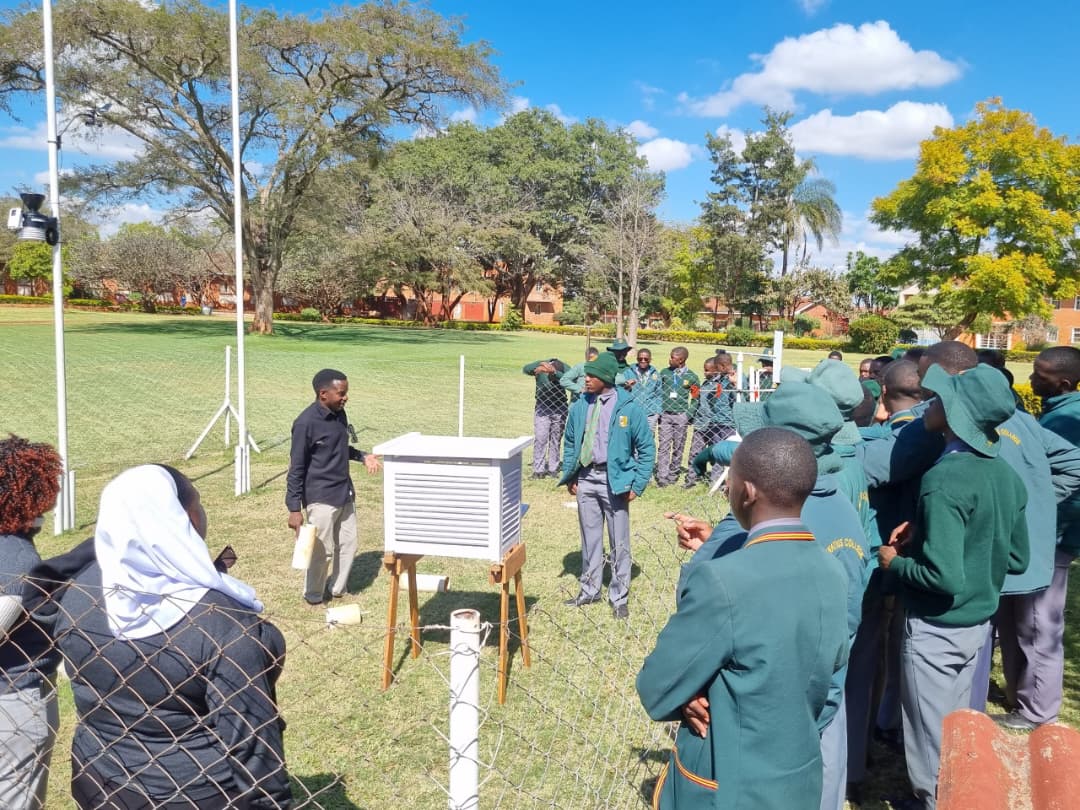
Schools have emerged as a central pillar of the roll-out, as they provide stable sites for weather stations that generate continuous, localised data while doubling as learning tools.
According to the company, stations installed at schools support science education, promote citizen science and serve surrounding communities as long-term observation points.
“One of our key focus areas is schools. We have found that weather stations offer multi-layered benefits in educational settings: they support science learning, promote citizen science, and serve as permanent observation points,” said Freedom Mukanga, FreedPer Scientific chief executive officer.
“Because schools are fixed institutions within communities, a weather station installed at a school can benefit surrounding communities for generations.”
The company’s model has been supported by strong global partnerships, working with hydrometeorological equipment manufacturers around the world and sourcing high-quality instruments that can operate reliably in local conditions.
“By ‘local conditions’ we mean climate variability, power availability, connectivity, and the level of technical support on the ground,” he said.
“In parallel, we are collaborating with financial institutions to develop innovative financing models that make these technologies more accessible,” Mukanga said.
“Just this month, we soft-launched a partnership with Qupa Microfinance, a subsidiary of ZB Financial Holdings, which will allow schools to acquire weather stations on credit,” he said.
“This collaboration brings together climate science, education, and innovative financing. ZB’s focus on strengthening financial management and digital convenience in schools aligns directly with our mission of building citizen scientists from the classroom upwards.”
Mukanga said that, at community level, access to localised weather data has helped schools and nearby farmers make more informed decisions around planting times, rainfall expectations and measurement.
“In several cases, schools hosting stations have become informal information hubs, sharing real-time weather updates with surrounding communities – helping reduce losses and improve preparedness,” he said.
First published by IOW Data